
impossible to
possible
LucyBrain Switzerland ○ AI Daily
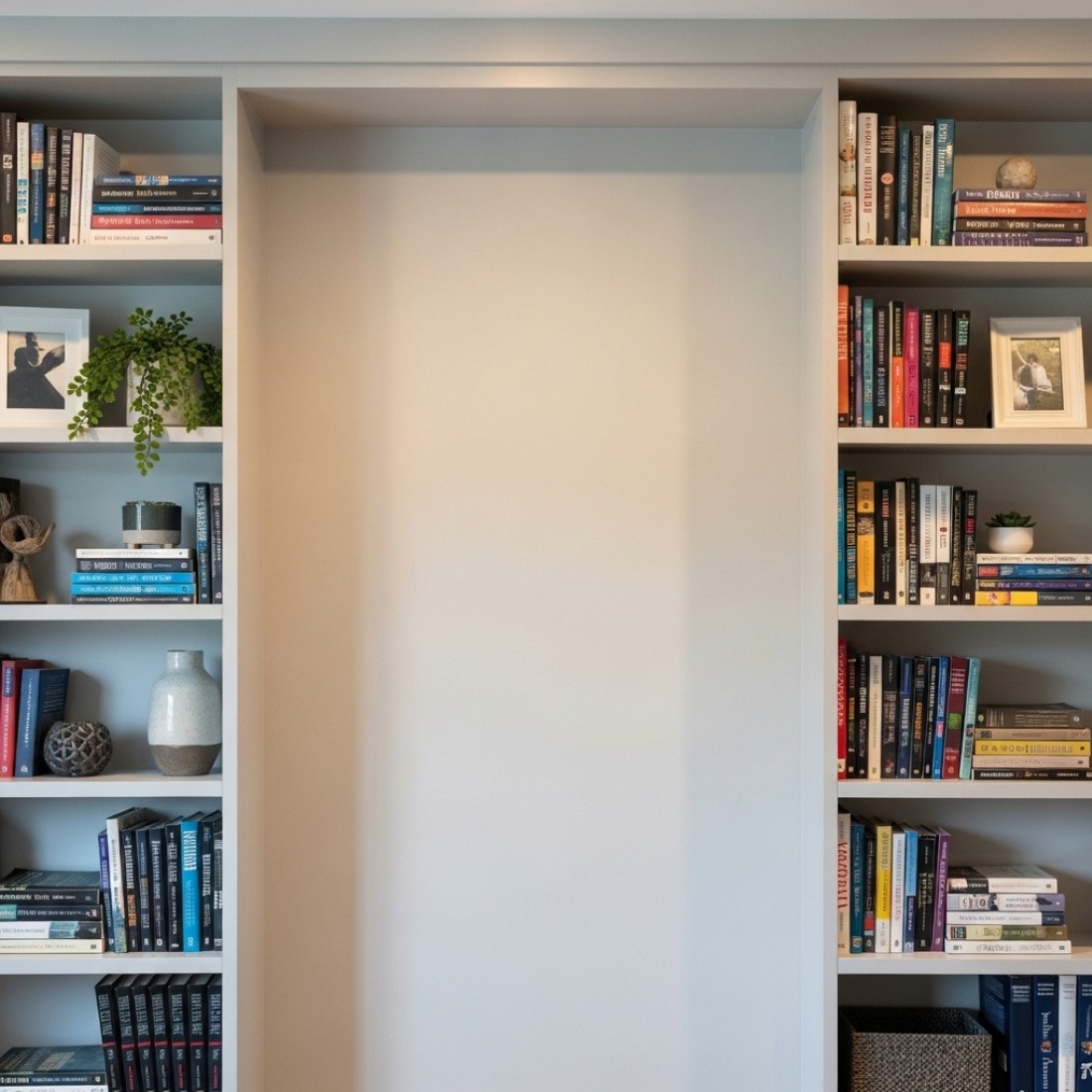
Work From Home Zoom Backgrounds: 70 Midjourney Prompts to Hide Messy Rooms
Transform your video call appearance with proper lighting - no matter your budget or space!
This comprehensive guide explains how proper lighting dramatically improves your professional appearance during video calls. Research shows that well-lit participants are perceived as 32% more competent and 27% more trustworthy than poorly-lit counterparts. Unlike vague lighting advice, this guide provides specific, actionable setups for different budgets ($0-$300), space constraints (tiny apartments to dedicated offices), and equipment levels (using what you have to professional kits). Learn the three-point lighting technique, how to eliminate unflattering shadows, minimize background distractions, and optimize natural light. Each recommendation includes specific product suggestions, exact placement measurements, and troubleshooting solutions for common lighting problems. Whether you're taking important client calls, job interviews, or daily team meetings, these lighting techniques will significantly enhance how you appear on camera.
What you'll learn:
✓ How proper lighting instantly improves your professional appearance
✓ The ideal three-point lighting setup for video calls (simplified for any space)
✓ Budget-friendly solutions from $0 to professional-grade equipment
✓ Exact placement measurements for optimal lighting angles
✓ How to work with challenging spaces (small apartments, dark rooms)
✓ Troubleshooting solutions for common lighting problems
✓ How to complement your lighting with virtual backgrounds
Why Professional Lighting Matters for Video Calls
Your appearance on video calls significantly impacts how colleagues, clients, and potential employers perceive you. Research from Stanford University's Virtual Human Interaction Lab found that participants with proper lighting were rated 32% higher in perceived competence and 27% higher in trustworthiness compared to those with poor lighting.
While backgrounds, camera quality, and audio all matter, lighting makes the most dramatic difference with the smallest investment. Even expensive cameras produce poor results in bad lighting, while basic webcams can look surprisingly professional with optimized illumination.
Lighting Setup Categories
1. No-Budget Lighting Setups
Use what you already have to dramatically improve your appearance.
Window-Facing Setup
What You'll Need:
A window with natural light
A desk or table you can position
Optional: A white piece of paper or foam board
Setup Instructions:
Position your desk facing the window, with the window directly in front of you
Place your computer so the webcam is at eye level, about 2 feet from your face
Sit approximately 1-2 feet away from the window
For fill light, place a white piece of paper or foam board on the desk in front of you to bounce light up toward your face
If the light is too harsh, diffuse it by closing sheer curtains
Pro Tips:
Schedule important calls during daylight hours when natural light is strongest
Avoid direct sunlight which creates harsh shadows; diffused light is best
If your window is to the side instead of in front, place a white foam board on the opposite side to bounce light and fill shadows
Lamp Repositioning Setup
What You'll Need:
2-3 household lamps with white/neutral bulbs (avoid yellow/orange)
White paper, foam board, or a white pillowcase
Books or boxes to adjust heights
Setup Instructions:
Main Light: Place your brightest lamp approximately 2 feet away at a 45-degree angle to your face, slightly above eye level
Fill Light: Position a second lamp at a 45-degree angle on the opposite side, about 3 feet away
If using a third lamp for backlighting, place it behind you, pointing at the back of your head
Diffuse harsh bulbs by draping white paper or a pillowcase over lamps (keeping fabric away from hot bulbs for safety)
Use books or boxes to adjust lamp heights to the ideal position
Pro Tips:
Remove lampshades for stronger light if needed
Replace existing bulbs with "daylight" temperature bulbs (5000K-6500K) for more professional color
Avoid mixing different color temperature bulbs, which creates unnatural skin tones
DIY Reflector Setup
What You'll Need:
One decent light source (window or lamp)
White foam board, poster board, or a large piece of white paper
Aluminum foil and tape (optional for stronger reflection)
Books or objects to prop up reflectors
Setup Instructions:
Position your primary light source (window or lamp) at a 45-degree angle to one side
On the opposite side, place your reflector board to bounce light back onto your face
Position the reflector so it fills in shadows on the opposite side of your face
For stronger reflection, cover your board with aluminum foil (dull side out to avoid specular highlights)
Adjust the angle of your reflector until shadows are minimized
Pro Tips:
For darker rooms, use multiple reflectors to maximize available light
A white tablecloth or sheet can work as an improvised reflector
Experiment with distance: closer reflectors provide softer fill light
2. Budget-Friendly Lighting Setups ($20-$75)
Affordable options that provide significant improvements.
Ring Light Setup ($20-$40)
What You'll Need:
10" or 12" LED ring light with adjustable brightness ($25-35 on Amazon)
USB power source or appropriate batteries
Desk or surface for mounting
Setup Instructions:
Position the ring light directly in front of you, with your webcam in the center of the ring
Place the light approximately 18-24 inches from your face
Adjust brightness until your face is well-lit without appearing washed out
If shadows appear harsh on the background, move 6-12 inches farther from the wall behind you
Adjust color temperature to "daylight" setting (if available) for most professional appearance
Pro Tips:
Look directly through the center of the ring for most flattering light
For video calls longer than 30 minutes, reduce brightness slightly to minimize eye strain
Most ring lights allow for color temperature adjustment - cooler tones (5000K) appear more professional than warm tones
Clip-On Key Lights Setup ($30-$50)
What You'll Need:
2 clip-on LED desk lamps with adjustable brightness ($15-25 each)
White paper or small foam board for diffusion
Desk, shelf, or monitor to clip lights onto
Setup Instructions:
Clip your first light to your desk or monitor at a 45-degree angle to your face, about 2 feet away
Clip the second light on the opposite side, also at a 45-degree angle
Adjust both lights to approximately the same brightness
If lights are too harsh, tape white paper in front to diffuse the light
Position lights slightly above eye level for the most flattering angle
Pro Tips:
Ensure both lights have similar color temperature to avoid uneven skin tones
The closer your lights are to your camera angle, the fewer shadows you'll have
For darker skin tones, position lights slightly closer for proper exposure
LED Panel Kit ($60-$75)
What You'll Need:
2 small LED panel lights with adjustable brightness ($30-40 each)
Mini tripods or light stands (often included with panels)
Optional diffusers (sometimes included, or use white paper)
Setup Instructions:
Position the first panel at a 45-degree angle to your face, about 2-3 feet away and slightly above eye level
Set up the second panel on the opposite side, also at a 45-degree angle but at a lower intensity (about 50-75% of the main light)
Adjust both lights until shadows on your face are soft and minimal
If included, attach diffusers to both panels for softer light
For background separation, place one panel to illuminate the wall behind you
Pro Tips:
Most LED panels have adjustable color temperature - 5000K-5600K is ideal for professional settings
If panels cause glare on glasses, raise their position slightly and angle them downward
LED panels can be battery-powered for flexibility when outlet access is limited
3. Mid-Range Lighting Setups ($75-$150)
More versatile options for consistently professional results.
Two-Light Kit with Stands ($75-$100)
What You'll Need:
2 dimmable LED lights with adjustable color temperature ($40-50 each)
Light stands for positioning flexibility (often included with lights)
Diffusion material (often included, or use white shower curtain material)
Setup Instructions:
Set up your main (key) light on a stand at a 45-degree angle to your face, about 3-4 feet away
Position the light slightly above eye level, angled downward
Place your fill light on the opposite side, also at a 45-degree angle but at 50% intensity of your key light
Attach diffusion material to both lights for softer, more flattering illumination
Adjust distances until shadows appear natural but not harsh
Pro Tips:
Set both lights to the same color temperature (5000K-5600K)
For more three-dimensional appearance, increase the intensity difference between key and fill lights
If your webcam's exposure adjusts too much (making you look too bright), dim both lights equally
Three-Point Lighting Kit ($100-$150)
What You'll Need:
3 LED lights with dimmable controls and adjustable color ($30-50 each)
3 light stands (often included with lights)
Diffusion material for each light
Optional colored gels for background lighting effects
Setup Instructions:
Key Light: Place your brightest light at a 45-degree angle to your face, slightly above eye level, about 3 feet away
Fill Light: Position your second light at a 45-degree angle on the opposite side, at about 50% brightness of your key light
Back/Hair Light: Set up your third light behind you, pointing at your hair/shoulders, at about 40% brightness of your key light
Apply diffusion to key and fill lights for softer illumination
Adjust all three lights until you have a natural, three-dimensional appearance with subtle separation from the background
Pro Tips:
Use the back light to create separation between you and the background
For creative environments, add a colored gel to the back light for a subtle accent
Keep the key light closest to your camera angle to minimize shadows
For glasses wearers, raise the key and fill lights higher and angle downward to eliminate glare
Video Conference Lighting Bar ($80-$120)
What You'll Need:
Specialized video conference lighting bar that mounts above or below monitor ($80-120)
USB power source
Desk or monitor for mounting
Setup Instructions:
Attach the light bar to the top or bottom of your monitor
Position your webcam as close to the light bar as possible
Adjust brightness using the included controls
Set color temperature to 5000K-5600K for most professional appearance
If shadows appear on the background, move farther from the wall behind you
Pro Tips:
These specialized lights are designed to minimize screen glare while maximizing face illumination
The wide light source creates softer shadows than point-source lights
Some models include app control for adjusting settings from your phone
For longer calls, use the "eye-care mode" if available to reduce blue light
4. Professional Lighting Setups ($150-$300)
High-quality solutions for consistent, professional lighting.
Elgato Key Light System ($150-$200)
What You'll Need:
1-2 Elgato Key Lights ($150 each)
Desk or stands for mounting
Wi-Fi connection for app control
Setup Instructions:
Mount one Key Light on desk edge or stand, positioned at a 45-degree angle to your face
If using two lights, place the second on the opposite side, also at a 45-degree angle
Set both lights to 5600K color temperature
Adjust brightness using the Elgato Control Center app
Position lights slightly above eye level, angled down toward your face
Pro Tips:
The app allows precise control and saving of lighting presets for different call types
These lights provide excellent color rendering for accurate skin tones
The edge-lit design creates soft, diffused light without additional diffusion
For optimal results, use one key light at 100% and a second at 70% as fill
Three-Point LED Panel Kit ($200-$300)
What You'll Need:
3 high-quality LED panels with barndoors and diffusers ($60-100 each)
3 adjustable light stands
AC power adapters for each light
Optional: wireless remote control for adjustments
Setup Instructions:
Key Light: Set up your main panel at a 45-degree angle to your face, 3-4 feet away, slightly above eye level
Fill Light: Position second panel on opposite side at 45-degrees, set to 40-60% brightness of key
Back Light: Place third panel behind and above you, pointing down at your head/shoulders
Attach diffusers to key and fill lights for softer illumination
Use barndoors to control light spill and prevent lens flare
Pro Tips:
High-CRI panels (95+) provide the most accurate color rendering
Use the barndoors to create more directional light and control spill onto backgrounds
For green screen use, position lights to create even illumination across the screen
These professional panels maintain consistent color temperature regardless of brightness
Portable Professional Kit ($250-$300)
What You'll Need:
2-3 foldable LED panels with built-in batteries ($80-100 each)
Mini light stands or table mounts
Carrying case (often included)
Optional: colored gels for creative effects
Setup Instructions:
Set up main LED panel at a 45-degree angle to your face, 2-3 feet away
Position second panel on opposite side as fill light at 50% intensity
If using a third panel, place it behind you as a back/hair light
Adjust all lights until shadows appear natural but flattering
Use the included diffusion for softer light quality
Pro Tips:
Battery-powered lights allow for professional setup anywhere, even without power outlets
Most portable kits include multiple mounting options for versatility
These lights typically fold flat for storage and travel
For mobile professionals, this setup provides consistent lighting in any environment
Lighting Implementation Strategies
For Different Spaces
Small Apartments/Limited Space
Use wall-mounted or clamp lights to save desk/floor space
Consider lights that double as regular room lighting when not on calls
Use smaller LED panels that can be stored when not in use
Position yourself in a corner to maximize available space for lights
Dedicated Home Office
Install semi-permanent lighting solutions for consistent setup
Consider ceiling-mounted or wall-mounted options to free up desk space
Use lights with remote control or app integration for easy adjustments
Implement full three-point lighting for the most professional appearance
Temporary or Shared Workspaces
Invest in portable, battery-powered lighting solutions
Use clip-on lights that attach directly to your laptop or monitor
Consider fold-flat options that pack easily in a laptop bag
Prioritize quick setup/breakdown time for shared spaces
Dark Rooms/Basements
Use higher-output lights to compensate for lack of natural light
Position a light to illuminate the background slightly
Consider adding small accent lights for depth
Use cooler color temperatures (5500K-6500K) to simulate daylight
For Different Skin Tones
Lighter Skin Tones
Use slightly lower intensity to avoid overexposure
Diffusion is important to prevent harsh highlights
Avoid overly warm lights that can create an unnatural yellow cast
Position lights farther away (3-4 feet) for softer effect
Medium Skin Tones
Balanced lighting with standard diffusion works well
Neutral color temperature (4500K-5500K) typically most flattering
Standard three-point lighting ratios (2:1 key to fill) work effectively
Consider subtle warming effect for most flattering appearance
Darker Skin Tones
Use slightly higher light intensity for proper exposure
Position lights slightly closer (2-3 feet) than standard setups
Ensure fill light is bright enough (60-70% of key) to show facial detail
Slightly cooler color temperatures often provide better detail and contrast
For Different Video Platforms
Zoom Optimization
Zoom has good auto-exposure; focus on even lighting
Enable "Touch up my appearance" for softening effect
Use "Adjust for low light" setting when needed
Ensure background is lit 1-2 stops darker than your face
Microsoft Teams Optimization
Teams tends to darken the image; use slightly brighter lighting
Position key light closer to camera axis to minimize shadows
Use "Background effects" alongside good lighting
Test your lighting in Teams specifically, as its processing differs from other platforms
Google Meet Optimization
Meet has less aggressive processing; focus on natural lighting
Use the "Adjust video lighting" feature for fine-tuning
Background removal works best with clean lighting separation
Test with "Check your lighting and background" tool before calls
Common Lighting Problems and Solutions
Problem: Harsh Shadows on Face
Solutions:
Add diffusion material to your lights (white shower curtain, parchment paper)
Move lights farther away from your face to soften shadows
Add a fill light on the opposite side from your main light
Use a white foam board or reflector to bounce light into shadow areas
Problem: Glare on Glasses
Solutions:
Raise your lights higher and angle them downward
Move key light to a steeper angle (closer to 60-degrees)
Adjust glasses slightly downward on your nose
Use larger, more diffused light sources instead of small, direct ones
Problem: Background Too Dark or Too Bright
Solutions: For dark backgrounds:
Add a separate light pointed at the wall behind you
Move farther from the background so your lights spill onto it
Use a light-colored virtual background if physical lighting isn't possible
For bright backgrounds:
Move closer to the background so your body blocks excessive light
Add flags (black foam board) to block light from hitting the background
Close blinds or curtains if window light is causing the issue
Adjust your camera's exposure settings if available
Problem: Unflattering Skin Appearance
Solutions:
Use diffusion on all lights for softer, more flattering light
Increase distance between lights and your face
Enable "Touch up my appearance" feature in your video platform
Add a circular polarizer to your webcam to reduce skin shine (for external cameras)
Problem: Inconsistent Lighting During Day
Solutions:
Use blackout curtains to block changing natural light
Create a lighting preset for different times of day
Position your workspace away from windows
Invest in lights with daylight balancing features
Complementing Your Lighting with Virtual Backgrounds
How Lighting Affects Background Performance
Good lighting significantly improves how virtual backgrounds perform by:
Creating clear separation between you and your background
Reducing artifacts and "halos" around your outline
Ensuring consistent exposure between you and the virtual image
Minimizing processing demands on your computer
Lighting Techniques for Virtual Background Users
Edge Lighting: Position a light to create a subtle rim around your shoulders/hair
Background Distance: Sit at least 3 feet from your physical background
Balanced Exposure: Light yourself similarly to the brightness of your virtual background
Consistent Color: Match your lighting color temperature to the virtual background scene
Recommended Virtual Background and Lighting Combinations
Office Environment Backgrounds
Use standard three-point lighting at 5000K
Position yourself against a neutral wall
Ensure even lighting across your face
Window View Backgrounds
Use slightly cooler lighting (5600K)
Position key light to simulate window direction
Add subtle rim lighting to simulate natural backlight
Neutral/Gradient Backgrounds
Use even, flat lighting
Minimize shadows for clean integration
Match lighting color temperature to background tone
Conclusion
Proper lighting is the most impactful and cost-effective way to enhance your professional appearance in video calls. Whether you're working with household items, investing in affordable options, or setting up a professional studio, the techniques in this guide will significantly improve how you look on camera.
Remember that consistency is key—find a setup that works for your space and needs, then maintain it for all professional calls. Your colleagues, clients, and potential employers will notice the difference, even if they can't quite identify why you look more professional than others.
Start with the solutions that fit your current budget and space constraints, then upgrade components as needed. Even small improvements in lighting can dramatically enhance how you're perceived in the virtual workplace.
Related Resources
Midjourney Video Call Background Prompts: 80 Professional Wall Backgrounds for Microsoft Teams
Work From Home Zoom Backgrounds: 70 Midjourney Prompts to Hide Messy Rooms
ChatGPT DALL-E Google Meet Backgrounds: 75 AI Office Prompts for Virtual Teams
Professional Headshot AI Prompts: Create LinkedIn-Quality Photos with ChatGPT, Claude & Midjourney