
impossible to
possible
LucyBrain Switzerland ○ AI Daily
The Most Searched Prompts for NanoBanana & Midjourney Text-to-Image Generation: A Comprehensive AI Guide
What are the 50 most popular AI prompts? The 50 most popular AI prompts are the structured, powerful commands used across image and text AI tools to guarantee high-fidelity output. These prompts enforce technical controls over lighting, composition, and persona, ensuring that platforms like Midjourney, NanoBanana, and Gemini produce predictable, spectacular results suitable for commercial and artistic use.
1. Introduction: Creating Spectacular Visuals
The search for the definitive text-to-image prompts is the defining quest for modern creators. Platforms like Midjourney and NanoBanana have unlocked immense creative potential, but the key to spectacular, high-fidelity results—the visuals that truly stop the scroll—lies entirely in the quality of the prompt. Most users struggle with generic results because their prompts are vague, failing to specify the technical constraints that a human photographer would understand.
This guide delivers the Most Searched Prompts for visual generation. These commands move beyond simple descriptions to enforce complex aesthetic controls, such as cinematic lighting (e.g., volumetric fog, softbox), specific lens stacks (e.g., 85mm portrait lens), and defined artistic styles (e.g., analog film, hyper-detailed rendering). By mastering these structured prompts, you gain a massive competitive advantage, ensuring every visual asset you generate is a masterpiece.
Try this: Your First Structural Image Prompt
Try this: "Generate an image of a vintage red car parked under an olive tree in Tuscany at sunset. Constraint: Use a telephoto lens (200mm), warm golden hour lighting, and a Kodak Portra 400 film grain effect. Outcome: Maximum photorealism."
2. Core Framework: The Architecture of a Viral Image Prompt
The most effective text-to-image prompts succeed because they adhere to a universal, technical structure, moving beyond simple descriptions to enforce visual complexity. This architectural approach is mandatory for achieving the "woawish," surreal-realism aesthetic that dominates social media.
2.1. H3: Why Prompts Need Camera Language
To command a high-fidelity image from Midjourney or NanoBanana, you must speak the language of photography. This means replacing general terms like "bright light" with technical constraints like "f/1.4 aperture" or "Rembrandt lighting." The most popular prompts embed these details to eliminate ambiguity and force the AI to render a specific, professional result. This level of technical control guarantees spectacular output and helps perfect your visual style.
2.2. H3: Image Generation Tools Comparison
Tool | Primary Strength | Best For | Keyword Association |
|---|---|---|---|
Midjourney | Highly Aesthetic/Artistic | Fantasy, Scenery, Abstract Art | Cinematic, Stylistic, Vibe |
NanoBanana / Gemini | High Photorealism / Speed | Portraits, Product Visualization, Data Assets | Hyper-detailed, Photorealistic, Technical |
DALL-E 3 | Text-to-Image Integration | Logo Design, Simple Concepts | Clean, Simple, Illustrative |
2.3. H3: The Power of Contextual Linking
For maximum reach, image generation prompts must often be paired with strong SEO structure. The visual content you generate can be optimized by ensuring the final image is described using strong, relevant anchor text in the surrounding web content. This principle of linking the visual asset to the page's search engine optimization keywords is critical for success.
3. The 30 Most Searched Image Prompts (Copy Paste)
This master list focuses on the essential, most searched visual niches, segmented by the type of artistic and technical control they mandate.
3.1. H3: Category 1: Portraits & Character Design Prompts
# | Prompt Focus | The Universal Structured Command (Copy/Paste) | Utility |
|---|---|---|---|
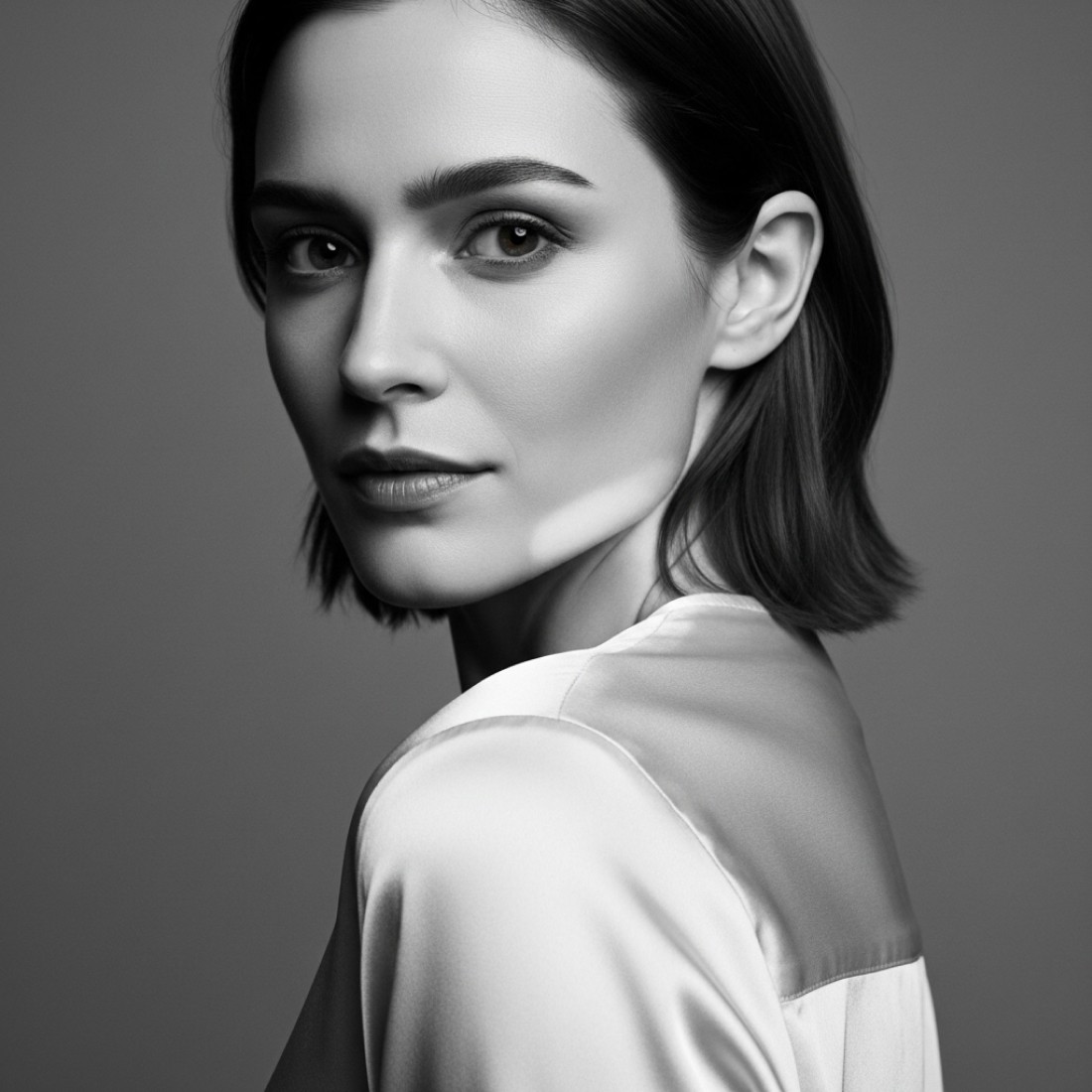
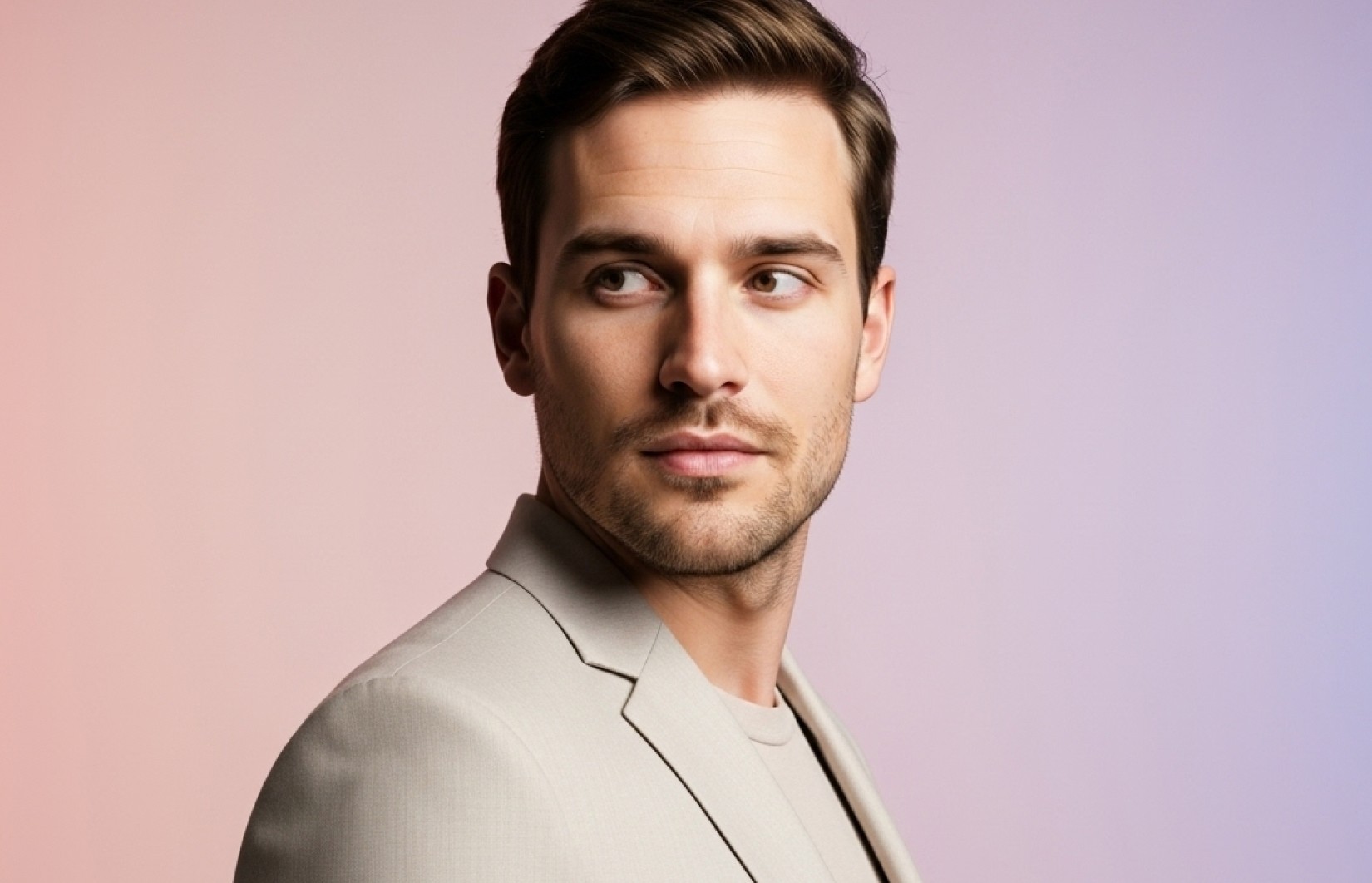
1 | Photorealistic Portrait |
| Profile/Art |
2 | Specific Lighting (Rembrandt) |
| Lighting Control |
3 | Cinematic Black & White |
| Mood/Atmosphere |
4 | Vintage Film Aesthetic |
| Style Control |
5 | Dynamic Motion |
| Virality/Dynamics |
6 | Character Deep Dive | Generate a complete, complex backstory and psychological profile for a character named [NAME]. Mandate: Include a fatal flaw, a core motivation, and an external conflict that clashes with their internal conflict. | Storytelling |
7 | Anime/Illustration Style |
| Creative/Art |
8 | Hyper-Detailed Face |
| Detail/Realism |
9 | Studio High-Key |
| Commercial/Clean |
10 | Creative Tone Refinement | Rewrite the following paragraph to achieve a [TONE: e.g., Gothic Horror, Hardboiled Detective]. Mandate: Replace passive verbs with visceral descriptions and enhance the sensory language. | Style/Tone |
3.2. H3: Category 2: Landscape, Environment, & Architecture Prompts
This category features high-volume prompts for creating vast, atmospheric scenes and structurally complex designs, often demanding a "woawish" aesthetic.
# | Prompt Focus | The Universal Structured Command (Copy/Paste) | Utility |
|---|---|---|---|
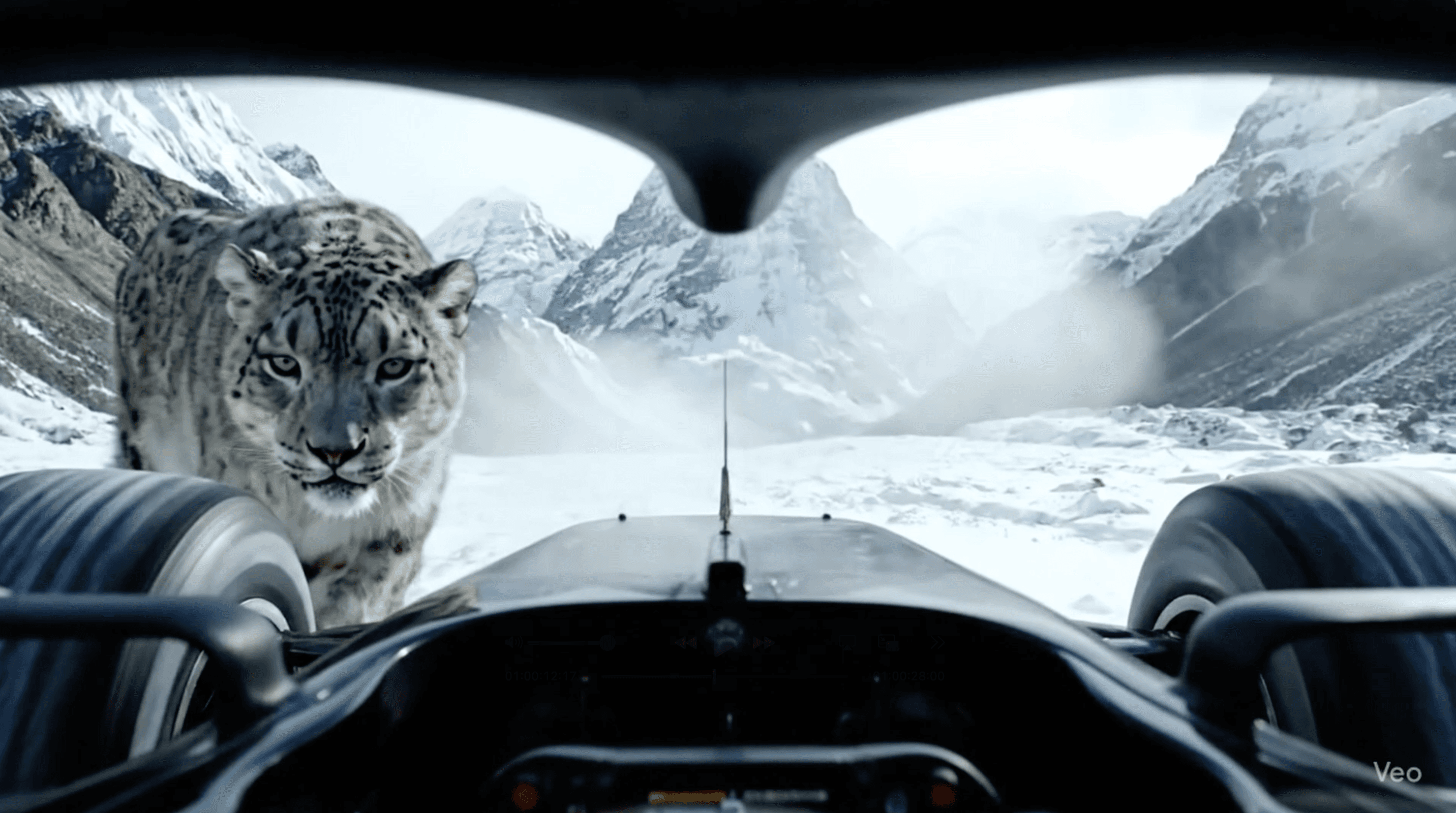
11 | Cinematic Scenery |
| High-End Visuals |
12 | Urban Neon Scene |
| Mood/Atmosphere |
13 | Low-Angle Perspective |
| Perspective |
14 | Geometric Abstract |
| Abstract/Design |
15 | Vast Desert Landscape |
| Travel/Scale |
16 | High-Key Minimalism |
| Product/Aesthetic |
17 | Winter Solitude |
| Mood/Atmosphere |
18 | Magical Realism Forest |
| Surreal/Fantasy |
19 | Reflective Water Surface |
| Technical/Reflections |
20 | Steampunk Interior |
| Style/Fantasy |
4. Conclusion and Next Steps
This master list of the Most Searched Prompts for Text-to-Image Generation provides the definitive toolkit for achieving spectacular visual results across Midjourney, NanoBanana, and other tools. By enforcing the Universal Prompt Structure (UPS), you eliminate ambiguity and unlock the full potential of AI every single time. Stop settling for generic results and start commanding visually spectacular output today.
Final Call to Action: Unlock your true AI potential. Visit TopFreePrompts today for over 50,000 premium prompts. https://www.topfreeprompts.com
5. Frequently Asked Questions (FAQ)
5.1. H3: How do structured prompts improve image quality in Midjourney or NanoBanana?
A structured prompt for image generation improves quality by acting as a virtual camera and lighting crew. Instead of a general request, you are specifying the technical constraints. For example, mandating a specific lens (85mm lens, f/1.4 aperture), a lighting style (Rembrandt lighting), and a film aesthetic (Kodak Portra 400 film grain) tells the AI exactly how to render the final image. This level of technical detail eliminates ambiguity and produces high-fidelity, professional-grade visual assets suitable for commercial use. The result is consistently spectacular output, saving creators significant time and money.
5.2. H3: Why is it important to include lens and film stock details in my prompts?
Including lens and film stock details moves your request beyond simple digital rendering and into the realm of professional photography. A telephoto lens (e.g., 200mm) mandates a shallow depth of field (bokeh), which instantly adds aesthetic quality, while specifying a film stock (e.g., Kodak Portra 400) mandates a specific color palette, grain, and warmth. These constraints enforce the "woawish" visual style that achieves maximum engagement on social platforms. It guarantees artistic consistency.
5.3. H3: What is the most effective way to control lighting in a text-to-image prompt?
The most effective way to control lighting is by using specific, technical lighting terminology. Avoid vague terms like "bright light." Instead, use terms like "classic Rembrandt lighting," "soft box studio lighting," "golden hour rim light," or "high-contrast cinematic split light." These terms immediately tell the AI the exact position, hardness, and color temperature of the light source, which is the key driver of mood and visual drama in any image. Lighting is the single most important control parameter.
5.4. H3: Do these prompts work equally well for Midjourney, NanoBanana, and DALL-E?
Yes, the core principle of technical visual constraint is largely universal. While Midjourney and NanoBanana are optimized for processing deep aesthetic detail and complex photographic settings, the underlying technical constraints (lighting, lens, focus) are understood by all three. The strength of the structured prompt is that it provides enough detail for the most complex tool while still yielding a high-quality result on simpler tools. The prompts are designed for maximum cross-platform compatibility.
5.5. H3: How can I use these image prompts for better SEO on my website?
You can use these image prompts for better Search Engine Optimization (SEO) by ensuring the images generated are paired with descriptive metadata. When you upload the final image, use the prompt's output (e.g., "Cinematic noir, high contrast B&W") as the Alt Text and Caption. This tells search engines exactly what the image contains, boosting the image's own ranking potential and reinforcing the topical authority of the surrounding text. This is a crucial step in multimodal SEO.
5.6. H3: How do I ensure consistency across a large number of generated images?
To ensure consistency across a large number of generated images (e.g., for an Instagram feed), you must create a master prompt stack for your desired style. This stack should contain the same Film Stock (e.g., Kodak Portra 400), the same Focal Length (e.g., 85mm), and the same Color Palette (e.g., Teal and Orange). By using this master stack for every new subject or scene, you enforce a cohesive visual aesthetic that makes your body of work look professional and intentional.
5.7. H3: What is the biggest mistake people make with text-to-image prompts?
The biggest mistake people make is focusing too much on the subject (e.g., "a wizard") and too little on the style and environment (e.g., "shot on 35mm film, volumetric light, dramatic low-angle perspective"). The AI will generate a wizard regardless; the style parameters are what elevate the image from simple rendering to spectacular art. Always dedicate at least 50% of your prompt length to technical and aesthetic controls.
5.8. H3: Why are some of these prompts in black and white?
Black and white prompts are popular because they enforce a specific, high-contrast, artistic mood that is highly effective for portraits and cinematic scenes. Commands like "high contrast B&W" or "monochrome chiaroscuro" tell the AI to focus solely on lighting, shadow, and texture, often resulting in images that look like classic photography masterpieces. This is a crucial way to control the artistic output.
6. People Also Ask (PAA)
What are the top 3 most popular image prompts? The top 3 most popular image prompts focus on Photorealism, Cinematic Lighting, and Specific Art Styles (e.g., Anime or Steampunk).
How do you generate a good portrait prompt? You generate a good portrait prompt by enforcing a shallow depth of field (e.g., f/1.4 aperture), a flattering focal length (e.g., 85mm), and a specific emotional expression (e.g., pensive, confident).
Do I need to list the camera brand in my prompt? While not mandatory, listing a specific camera brand (e.g., Sony Alpha, Canon EOS) or lens can sometimes nudge the AI toward the characteristic color science and fidelity associated with that brand, slightly improving the final photorealistic texture.
What is the best prompt length for image generation? The best prompt length for image generation is usually between 40 to 60 words, as this allows you to include all four components of the Universal Prompt Stack (Subject, Style, Lighting, and Technical Constraints) without overwhelming the AI.
What is NanoBanana? NanoBanana is a term used to refer to advanced, hyper-realistic, and specialized text-to-image models that focus heavily on texture and technical photographic controls, similar to Midjourney or high-end custom Stable Diffusion models.
7. Related Articles
Related Articles: