



impossible to
possible

LucyBrain Switzerland ○ AI Daily
The Brain-on-a-Chip Breakthrough, Google’s TPU 8 Sprint, and the "Agentic" Factory Floor
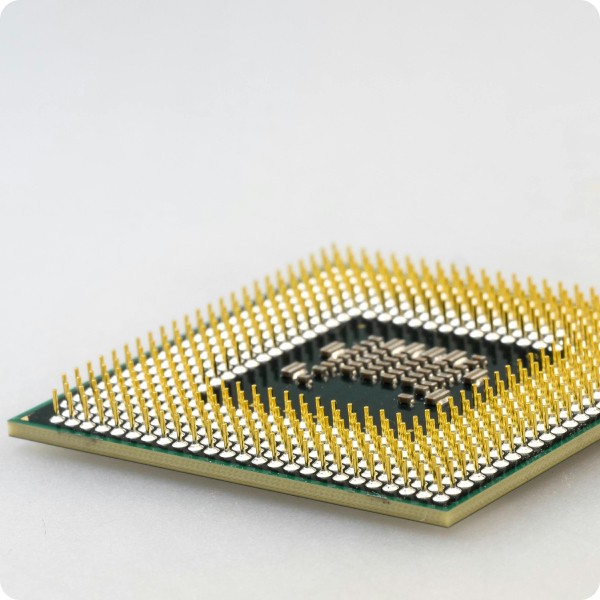
1. The Cambridge "Memristor": 70% Energy Reduction
In a breakthrough published in Science Advances today, researchers at the University of Cambridge have engineered a nanoelectronic device that could end the AI energy crisis.
Brain-Like Architecture: Using a modified form of hafnium oxide, the team created "memristors" that mimic how human neurons store and process information simultaneously.
The Death of Data Shuttling: Traditional chips waste most of their energy moving data between memory and processors. This new device does both in one place, slashing power usage by 70%.
Ultra-Low Power: This technology is specifically designed for "Edge AI"—meaning your phone or smart glasses could soon run massive models locally without draining the battery in minutes.
2. Google’s TPU 8 Strike: The War for Inference
While NVIDIA dominates GPUs, Google Cloud fired back today at the AI EXPO KOREA 2026 with the debut of the TPU 8 Series.
TPU 8T vs. TPU 8I: Google is splitting the lineup. The 8T is a "Training" beast designed to build models faster, while the 8I is a specialized "Inference" chip built purely to run AI services with near-zero latency.
The Silicon Valley Fight: This release is a direct challenge to NVIDIA's market share, offering a "homegrown" alternative that Google claims is significantly cheaper and less energy-intensive for the world's largest data centers.
3. Hannover Messe: The Rise of "Manufacturing Co-Intelligence"
At the world’s largest industrial fair, Bosch and Zoomlion have redefined the factory floor with "Robot Ops" and agentic orchestration.
Agentic Maintenance: Bosch's new Manufacturing Co-Intelligence® allows factory workers to speak to an AI agent that has "read" the entire shift log and every manual ever written for the machines.
Robot Ops: Zoomlion made the global debut of its Embodied Intelligence operating system, allowing heavy machinery to perceive, reason, and troubleshoot their own mechanical faults in real-time.
The "Zero-Idle" Model: Taiwan-based INFINITIX also unveiled its "AI-Stack" today, which can take fragmented GPU resources and increase their utilization from 30% to over 90%, ensuring no compute power is wasted.
4. Tech Spotlight: TSMC’s A13 Breakthrough
TSMC officially introduced its A13 process technology at its North America Symposium today.
6% More Space: The A13 allows chips to be even smaller while increasing efficiency, a critical move for the 2028 roadmap of self-driving cars and humanoid robots.
Smart Glasses: A new N16HV process will make the components inside smart glasses 40% smaller, finally paving the way for sleek, everyday AI eyewear that doesn't look like a bulky headset.
Prompt Tip of the Day: The "Agentic Architect" — Energy Efficiency Auditor
Inspired by the Cambridge Brain-Chip breakthrough, use this prompt to audit your own digital life for "energy and focus leaks."
The Prompt: "act as a professional chief ai architect and energy efficiency consultant. i want to audit my digital ecosystem [insert apps/devices you use daily] for 'redundant data shuttling.' please structure a framework for this agent that includes:
the 'shuttle' scan: instructions for the agent to identify 3 areas where i am manually moving data between apps (e.g., email to crm) that could be handled by a single 'neuromorphic' automation.
edge vs. cloud audit: a requirement that the agent identify which of my daily ai tasks should be moved 'on-device' to save latency and bandwidth costs.
agentic specificity rule: a rule for the agent to suggest one 'highly specialized' agent i could use (e.g., for legal research or kitchen logistics) that would be 3x more efficient than using a general assistant.
the 'zero-idle' template: a template for a weekly report that tracks my 'digital waste'—tools i pay for but don't use—ensuring my tech stack is as lean as the new tsmc a13 chips.
for each point, provide clear, step-by-step rules that would allow an ai agent to operate as a professional, thorough, and highly efficient systems engineer."