impossible to
possible
LucyBrain Switzerland ○ AI Daily
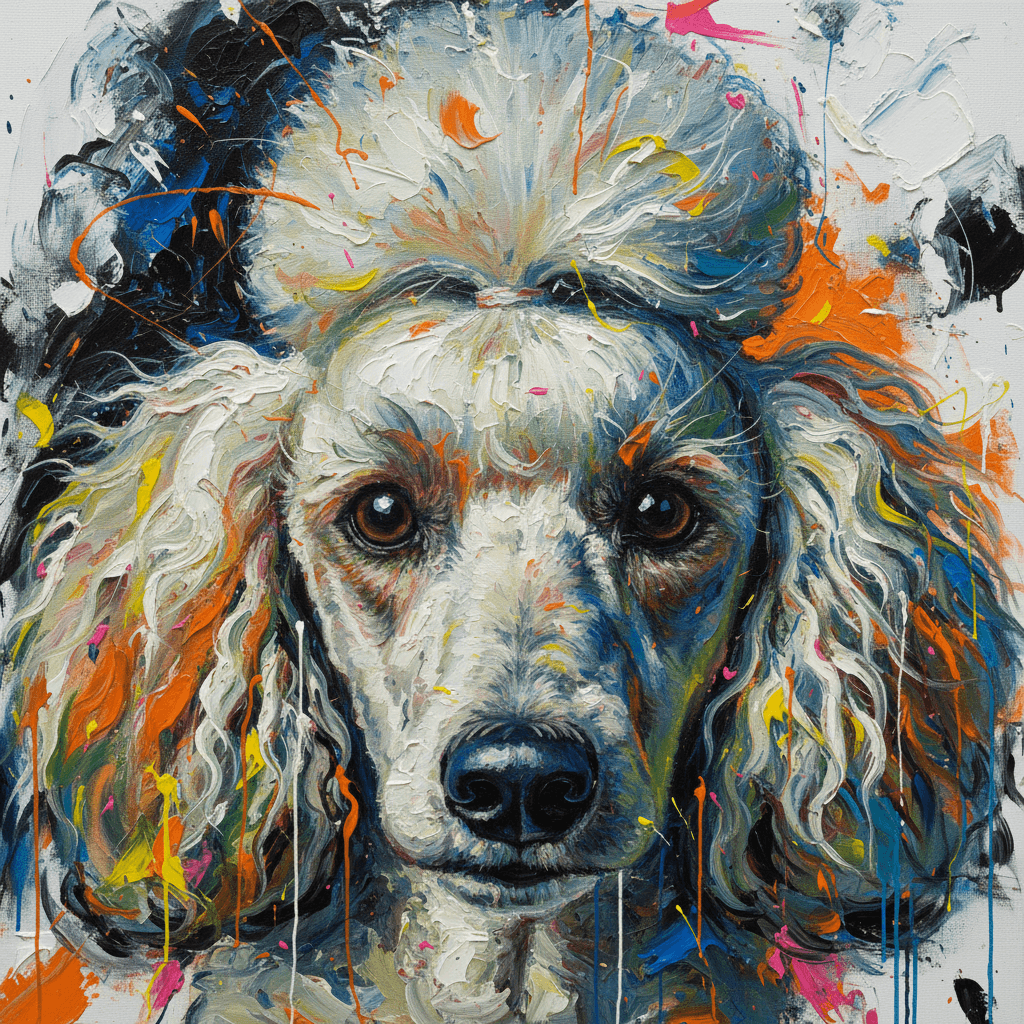
Make Your Pet Look Like a Painting: AI Art Prompts for Animal Lovers (Midjourney, ChatGPT, Gemini 2025)
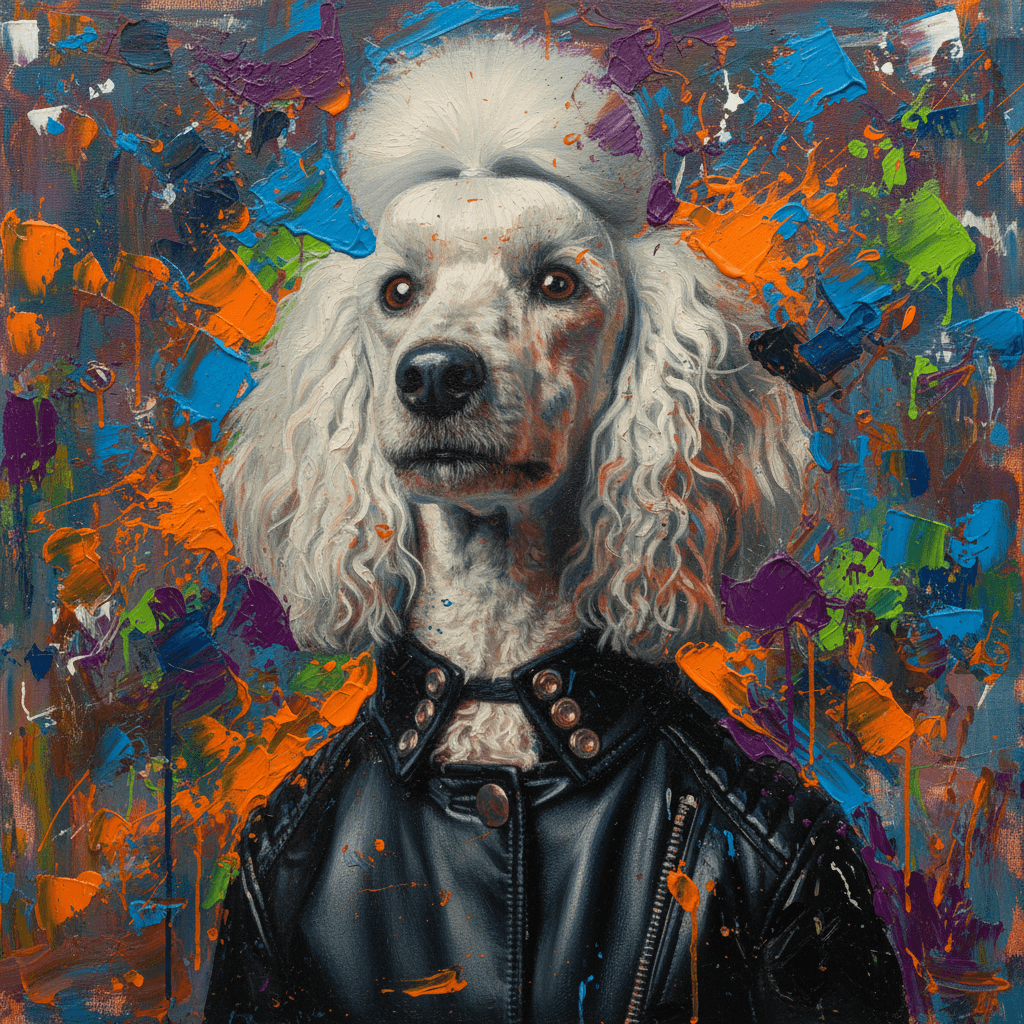
Transform your beloved pet photos into stunning artistic masterpieces with our comprehensive collection of AI art prompts. Whether you envision your furry friend as a Renaissance oil painting, a vibrant Impressionist scene, or a contemporary watercolor portrait, these carefully crafted prompts for Midjourney, ChatGPT, Google Gemini, and Nano Banana will turn ordinary pet photos into gallery-worthy paintings that capture your companion's unique personality and charm.
In this comprehensive guide, we'll share the most effective AI prompts for transforming pet photos into various painting styles, with expert tips for achieving realistic artistic results that maintain your pet's distinctive features while adding the beautiful aesthetic qualities of fine art.
Why AI Pet Painting Prompts Are Going Viral in 2025
The trend of transforming pet photos into artistic paintings has exploded in popularity, with hashtags like #PetArtAI generating billions of views across social platforms. This phenomenon continues to grow in 2025 because:
Painted pet portraits create timeless, sophisticated decor that ordinary photos cannot match
The artistic interpretation often captures personality and emotion more effectively than photographs
The unique aesthetic quality makes for highly shareable social media content
Advanced AI tools now render artistic styles with remarkable authenticity and technical accuracy
Personalized pet paintings make meaningful, heartfelt gifts without the expense of commissioning artists
The latest advancements in Midjourney, ChatGPT, Google Gemini, and Nano Banana have dramatically improved their ability to understand both pet anatomy and artistic techniques, creating results that genuinely resemble hand-painted artwork rather than filtered photographs.
Essential Elements for Pet Painting AI Prompts
To create truly impressive artistic renderings of your pet that look like genuine paintings rather than filtered photos, your AI prompts should incorporate these key elements:
Specific art style - Clear reference to established painting movements or techniques
Medium details - Oil, watercolor, acrylic, gouache, etc. with characteristic properties
Brush technique - Specific brushwork styles associated with different artistic approaches
Color palette - Characteristic color schemes of specific art movements or artists
Composition principles - Artistic framing and arrangement typical of fine art portraiture
Lighting interpretation - How light is stylistically rendered in various art traditions
Background treatment - Artistic approaches to environmental context or negative space
Top AI Prompts for Pet Painting Styles
Midjourney Pet Painting Prompts
ChatGPT Pet Painting Prompts
Google Gemini Pet Painting Prompts
Nano Banana Pet Painting Prompts
Classic Painting Styles for Pet Portraits
Renaissance Pet Portraits
Renaissance style works best when you include:
References to specific masters like "in the manner of Rembrandt/Vermeer/da Vinci"
Technical terms like "sfumato technique" or "underpainting with glazed layers"
Period-appropriate details like "subdued earth tone palette" or "dramatic directional lighting"
Compositional elements like "three-quarter view with formal positioning"
Impressionist Pet Paintings
Impressionist style becomes more authentic with:
Light-focused terminology like "atmospheric light effects" or "violet shadows with golden highlights"
Technique specifications like "broken color with juxtaposed complementary hues"
Setting elements like "garden setting with filtered light" or "outdoor natural environment"
Compositional aspects like "asymmetrical casual arrangement" or "spontaneous framing"
Watercolor Pet Portraits
Watercolor style is enhanced with:
Technical terms like "wet-in-wet technique" or "reserved white paper for highlights"
Material references like "300gsm cold-pressed paper texture" or "transparent pigment layers"
Technique descriptions like "controlled blooms and granulation effects" or "soft edge control"
Stylistic elements like "luminous transparent quality" or "delicate color transitions"
Pop Art Pet Portraits
Pop Art style becomes most effective with:
Artist references like "Warhol-inspired color blocks" or "Lichtenstein-style Ben-Day dots"
Technique terms like "screen printing effect" or "halftone pattern overlay"
Color specifications like "non-naturalistic high-contrast complementary colors"
Composition elements like "repeated image in different color schemes" or "comic panel layout"
Abstract Expressionist Pet Interpretation
Abstract Expressionist style becomes authentic with:
Emotional terminology like "passionate gestural brushwork" or "psychological color interpretation"
Technique specifications like "heavy impasto texture" or "action painting technique"
Balance descriptions like "tension between representation and abstraction" or "emotional essence over literal form"
Movement references like "dynamic directional brushstrokes" or "rhythmic compositional flow"
Medium-Specific Pet Portrait Prompts
Oil Painting
Oil painting authenticity is enhanced with:
Process terminology like "underpainting with glazed layers" or "imprimatura warm tone base"
Material references like "linen canvas texture" or "bristle brush stroke quality"
Technical terms like "fat over lean technique" or "scumbled highlight application"
Quality elements like "depth through transparent layers" or "subtle color transitions"
Watercolor
Watercolor authenticity comes from:
Technical terms like "masking fluid for whiskers" or "salt texture effects on fur"
Material references like "Arches cold-pressed paper texture" or "sable brush detail work"
Process descriptions like "layered transparent washes" or "wet-in-wet background technique"
Effect terminology like "blooming edge effects" or "granulation in shadow areas"
Acrylic Painting
Acrylic authenticity is improved with:
Material references like "canvas texture showing through thin layers" or "heavy body acrylic texture"
Technique specifications like "dry brushing for fur texture" or "palette knife application"
Modern terminology like "contemporary color harmony" or "non-traditional color theory"
Style elements like "bold simplified forms" or "graphic quality with painterly details"
Pastel Drawing
Pastel authenticity comes from:
Surface descriptions like "textured pastel paper" or "sanded surface grip"
Technique terms like "layered complementary colors for depth" or "side-of-stick broad application"
Stroke descriptions like "directional mark-making following fur growth" or "hatched background texture"
Effect terminology like "velvety light diffusion" or "soft edge blending technique"
Ink Wash (Sumi-e)
Ink wash authenticity is enhanced with:
Traditional references like "traditional bamboo brush technique" or "rice paper absorption quality"
Philosophy terms like "capturing the spirit (qì) rather than mere appearance" or "harmony of opposites"
Technique specifications like "varied brush pressure for line quality" or "controlled ink dilution"
Compositional elements like "asymmetrical balance" or "purposeful empty space importance"
Tool-Specific Tips for Pet Painting Portraits
Optimizing for Midjourney
Midjourney creates the most authentic-looking painted pet portraits when you:
Add stylistic parameters - Use
--s 950for more artistic, less photographic resultsSpecify painting details - "Canvas texture visible with characteristic brushwork"
Include artistic terminology - "Glazing technique with scumbled highlights"
Reference traditional processes - "Traditionally prepared canvas with visible weave texture"
Optimizing for Google Gemini
Get better artistic pet portraits from Google Gemini with these techniques:
Focus on medium characteristics - "Oil paint physical properties with characteristic drying texture"
Specify artistic approach - "Painterly interpretation rather than photorealistic rendering"
Include historical context - "17th century Dutch portrait approach to lighting and composition"
Reference artistic quality - "Museum-quality fine art rendering with professional technique"
Optimizing for ChatGPT
For the most authentic-looking pet paintings with ChatGPT:
Provide detailed artistic context - Explain specific art movements and their characteristics
Describe painting processes - Detail how the medium would be applied in traditional painting
Specify artistic interpretation balance - Explain which features should be emphasized vs. stylized
Include viewing context - Describe how the painting would appear if hanging in a gallery
Optimizing for Nano Banana
Nano Banana produces excellent pet paintings with these approaches:
Focus on artistic essence - "Capturing essential character through artistic interpretation"
Specify technique details - "Visible brushwork direction following form structure"
Balance representation and style - "Recognizable likeness through artistic stylization"
Include quality context - "Professional gallery-quality artwork with exhibition finish"
Pet Painting Style FAQs
Which AI tool creates the most authentic-looking pet paintings?
Midjourney typically produces the most convincing traditional painting styles, particularly oil painting effects. Google Gemini often excels at watercolor and contemporary styles, while Nano Banana frequently creates the most emotionally expressive artistic interpretations. ChatGPT can produce excellent results with very detailed prompting about specific art historical contexts.
How do I ensure my pet still looks like themselves in artistic styles?
Include specific phrases like "maintaining distinctive features while adopting artistic style," "recognizable likeness within [style] interpretation," and mention specific unique features like "distinctive spot pattern preserved" or "characteristic expression maintained."
Which painting styles work best for which types of pets?
While all styles can work for any pet, some natural pairings include:
Renaissance/Dutch Master styles for dignified, serious pets
Impressionist styles for outdoor-loving, active pets
Watercolor for delicate, elegant pets
Bold contemporary styles for pets with strong personalities
Abstract approaches for unique, quirky pet characters
Can I combine multiple artistic styles?
Yes! Try prompts like "pet portrait combining Impressionist background with Renaissance portrait technique" or "mixed media approach with watercolor background and oil painting technique for the pet" for creative fusion results.
How do I create a series of pet portraits in different artistic styles?
Use consistent base prompts with only the artistic style elements changed to create a cohesive gallery showing your pet interpreted through different art movements or media.
Troubleshooting Common Pet Painting Issues
Problem: The AI creates beautiful art but loses your pet's likeness.
Solution: Add "maintaining 80% accuracy to reference image while adopting artistic style" and specify key identifying features that must be preserved.
Problem: The painting style looks filtered or artificial.
Solution: Include more specific artistic process terminology like "traditional layered oil technique with genuine brushwork texture" rather than just naming an art style.
Problem: Colors look unnatural for the specified art style.
Solution: Specify "period-appropriate color palette" or provide specific color direction like "warm Venetian color harmony with earth tone shadows."
Problem: The composition doesn't feel like a proper painting.
Solution: Add "traditional art composition following rule of thirds" or "formal portrait composition with appropriate negative space" to your prompt.
Specialized Artistic Approaches for Different Pets
For Dogs
Dog paintings benefit from:
Emphasizing expressions that capture their loyal character
Focusing on the emotional connection conveyed through eyes
Highlighting distinctive breed-specific features
Balancing playfulness or dignity depending on their personality
For Cats
Cat paintings excel with:
Emphasis on their mysterious, independent character
Focus on elegant, graceful compositional elements
Highlighting their distinctive eye colors and shapes
Capturing their unique fur patterns and textures
For Birds
Bird paintings benefit from:
Emphasis on delicate feature details and proportions
Special attention to the unique patterns of feathers
Focus on capturing their bright, alert expressions
Vibrant color interpretations that highlight plumage
For Small Pets (Rabbits, Guinea Pigs, etc.)
Small pet paintings work best with:
Gentle, nurturing compositional elements
Soft, warm artistic approaches
Intimate, close-up perspectives
Emphasis on their diminutive, delicate qualities
Conclusion
Transforming your pet photos into beautiful paintings using AI is a meaningful way to celebrate your companion's unique character through the timeless medium of fine art. With these carefully crafted prompts for Midjourney, ChatGPT, Google Gemini, and Nano Banana, you can create stunning artistic portraits in a wide variety of painting styles that capture your pet's personality while adding the distinctive aesthetic qualities of traditional artwork.
Remember that the most successful AI pet paintings balance artistic stylization with recognizable likeness. The artistic interpretation should enhance rather than obscure what makes your pet unique, creating a portrait that celebrates their individuality through the expressive qualities of fine art.
For more creative ways to showcase your pet through AI, explore our guides on creating vintage-style pet portraits or transforming your pet into different character styles to discover even more possibilities for celebrating your beloved companion through artistic interpretation.