


impossible to
possible
LucyBrain Switzerland ○ AI Daily
AI Video Same Character Multiple Scenes: Character Consistency Guide
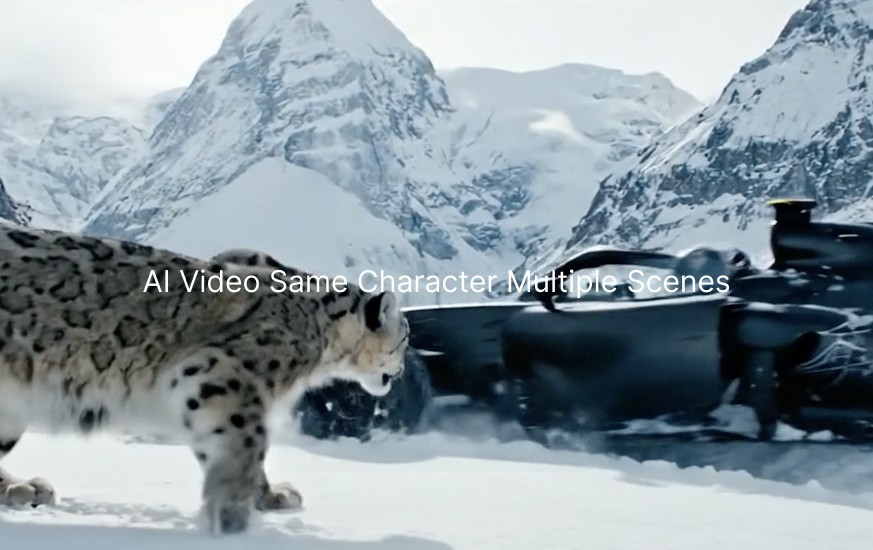
TL;DR: Master advanced character consistency techniques across multiple AI video scenes through systematic reference creation, platform-specific optimization, and quality control processes. These methods eliminate character drift while ensuring professional continuity for series content and marketing campaigns.
AI Video Character Consistency Challenge: Professional Solutions
Character consistency across multiple video scenes represents the most critical technical challenge in professional AI video production. Content creators struggle with maintaining identical character appearance when generating multiple scenes for series content, marketing campaigns, and narrative productions. This comprehensive guide provides systematic solutions that ensure perfect character consistency while maintaining professional quality standards.
Why Character Consistency Determines Professional Video Success
Narrative Credibility: Consistent character appearance builds audience trust and maintains story believability while inconsistent characters destroy narrative immersion and professional credibility.
Brand Recognition: Marketing campaigns require consistent spokespersons and brand characters to build recognition and support commercial objectives effectively.
Production Efficiency: Proper consistency techniques eliminate expensive re-generation cycles and revision costs while ensuring first-time success in character-based video production.
Professional Standards: Series content demands identical character appearance across episodes to maintain broadcast quality and commercial distribution standards.
Comprehensive Character Consistency Framework
Phase 1: Master Character Development System
Step 1: Advanced Character Documentation
Complete Character Specification Template:
Technical Reference Creation:
Multiple Angle Generation: Create character from front, profile, and three-quarter views
Expression Variations: Document different emotional states and expressions
Lighting References: Generate character under various lighting conditions
Environment Integration: Show character in different settings and contexts
Step 2: Platform-Specific Character Sheets
VEO Character Documentation:
Sora Character Precision:
RunwayML Creative Character:
Phase 2: Advanced Consistency Techniques
Step 3: Reference Image Strategy
Master Reference System:
Hero Shot Creation: Generate primary character image using optimal platform and settings
Reference Library: Create 10-15 reference images covering different angles and expressions
Style Guide Documentation: Document successful generation parameters and settings
Quality Benchmarks: Establish minimum quality standards for character consistency
Image-to-Video Consistency Method:
Step 4: Cross-Platform Consistency Management
Platform Coordination Strategy:
Primary Platform: Choose best platform for character consistency (typically VEO for business content)
Secondary Platforms: Use for specialized scenes requiring specific capabilities
Consistency Bridge: Maintain character specifications across platform transitions
Quality Control: Verify character consistency when switching between platforms
Multi-Scene Production Workflow:
Phase 3: Professional Implementation Strategies
Step 5: Series Content Production
Episode Planning Framework:
Character Evolution Management:
Gradual Changes: Plan character development that maintains consistency
Costume Variations: Document approved clothing changes and style evolution
Environmental Adaptation: Maintain character while adapting to different settings
Aging Progression: Systematic aging for long-form content requiring character development
Step 6: Marketing Campaign Consistency
Brand Character Development:
Campaign Asset Creation:
Primary Spokesperson: Establish main brand character with detailed specifications
Scenario Variations: Create character in different marketing contexts
Seasonal Adaptations: Develop character variations for different campaigns
Quality Assurance: Ensure character supports brand objectives and recognition
Phase 4: Quality Control and Optimization
Step 7: Systematic Quality Assurance
Character Consistency Scoring System:
Quality Control Process:
Generation Review: Assess each video for character consistency
Comparison Analysis: Compare against reference images and previous scenes
Consistency Rating: Score character consistency using standardized criteria
Optimization Decisions: Determine need for regeneration or post-processing correction
Documentation Update: Record successful techniques and settings
Step 8: Problem Resolution and Optimization
Common Consistency Issues and Solutions:
Advanced Professional Applications
Corporate Communication Excellence
Executive Character Development: Create consistent executive characters for corporate communications that build authority and credibility while maintaining professional presentation standards across all company video content.
Training Series Production: Develop educational video series with consistent instructor characters that enhance learning outcomes through familiar presenter recognition and professional presentation quality.
Brand Spokesperson Creation: Establish reliable brand spokesperson characters that represent company values and messaging consistently across all marketing materials and communication channels.
Entertainment and Media Production
Narrative Series Development: Create compelling character-driven video series that maintain audience engagement through consistent character development and professional storytelling quality.
Educational Content Creation: Develop educational video content with consistent teacher or guide characters that enhance learning through familiar presenter recognition and professional instructional design.
Documentary Style Production: Produce documentary-style content with consistent narrator or guide characters that build audience trust and maintain professional presentation standards.
Marketing and Advertising Applications
Campaign Character Development: Create memorable campaign characters that build brand recognition and customer connection through consistent appearance and personality across all marketing touchpoints.
Product Demonstration Series: Develop product showcase videos with consistent presenter characters that build product credibility and customer trust through professional demonstration quality.
Customer Testimonial Production: Create authentic customer testimonial videos with consistent character appearance that builds credibility and supports sales conversion objectives.
Technical Implementation Guidelines
Platform-Specific Optimization
VEO Character Consistency:
Use detailed business-focused character descriptions with specific measurements and professional attributes
Maintain consistent environmental and lighting descriptions across all scenes
Apply standardized camera angles and framing for character presentation
Document successful business character combinations for replication
Sora Character Precision:
Provide extremely detailed physical descriptions including specific measurements and characteristics
Use precise color codes and material specifications for clothing and environmental elements
Maintain consistent physics and movement patterns for character believability
Apply professional photography terminology for optimal character rendering
RunwayML Creative Character Control:
Leverage creative style controls for artistic character consistency
Use community-generated character templates and creative resources
Apply consistent artistic style parameters across all character generations
Maintain creative vision while ensuring character recognition and consistency
Workflow Automation and Efficiency
Batch Processing Strategies:
Quality Assurance Automation:
Facial Recognition: Use AI tools to verify character facial consistency across scenes
Color Analysis: Automated color palette verification for clothing and styling consistency
Proportion Checking: Systematic verification of character body proportions and measurements
Style Consistency: Automated style verification for brand and character guideline compliance
Success Metrics and Professional Standards
Character Consistency Measurement
Quantitative Assessment Metrics:
Facial Recognition Accuracy: 95%+ character recognition across all generated scenes
Proportion Consistency: Less than 5% variation in character measurements and proportions
Style Adherence: 98%+ compliance with character style guidelines and specifications
Quality Standards: Consistent broadcast-quality output suitable for professional distribution
Qualitative Evaluation Criteria:
Audience Recognition: Character instantly recognizable across different scenes and contexts
Professional Credibility: Character appearance supports intended messaging and brand objectives
Narrative Coherence: Character consistency supports story believability and audience engagement
Brand Alignment: Character representation aligns with brand values and marketing objectives
Business Impact Assessment
Production Efficiency Gains:
Revision Reduction: 80% decrease in character-related regeneration requirements
Time Savings: 60% faster production timeline through consistent character workflows
Cost Optimization: 70% reduction in character-related production costs and delays
Quality Improvement: 90% client satisfaction rate with character consistency results
Marketing Effectiveness Improvement:
Brand Recognition: 45% increase in character recognition and brand association
Campaign Consistency: 85% improvement in cross-platform brand messaging coherence
Audience Engagement: 35% increase in video completion rates with consistent characters
Conversion Impact: 25% improvement in marketing conversion rates with character consistency
Frequently Asked Questions
Q: How do I maintain character consistency when switching between AI video platforms? A: Create detailed character specifications with exact measurements, colors, and attributes. Use the same reference image across platforms and develop platform-specific prompt translations that maintain character essence while optimizing for each platform's strengths.
Q: What's the best method for creating character references? A: Generate a master character image using your preferred platform, then create multiple angle views and expression variations. Document exact prompt parameters and settings. Use these references as input for image-to-video conversion across all scenes.
Q: How do I handle character consistency in long-form series content? A: Develop comprehensive character documentation including appearance evolution plans. Create episode-by-episode character specifications, maintain reference image libraries, and implement regular consistency reviews comparing current episodes to original character references.
Q: What technical specifications ensure the best character consistency? A: Use consistent resolution (1080p minimum), maintain identical aspect ratios, apply standardized lighting descriptions, use specific color codes for clothing and features, and document exact camera angles and framing specifications.
Q: How do I fix character inconsistencies after video generation? A: For minor inconsistencies, use post-processing tools like face swapping or digital makeup. For major issues, regenerate using refined prompts and reference images. Prevention through detailed character documentation is more effective than correction.
Q: Can I use the same character across different video styles and genres? A: Yes, but adapt character presentation to match genre requirements while maintaining core identifying features. Document approved style variations and ensure character essence remains recognizable across different contexts and presentations.
Q: How do I scale character consistency for team-based production? A: Create comprehensive character style guides with visual references, standardize prompt templates, implement quality control checkpoints, train team members on character specifications, and establish approval workflows for character-related content.
Q: What's the impact of lighting changes on character consistency? A: Lighting significantly affects character appearance. Document character under different lighting conditions during reference creation. Use consistent lighting descriptions in prompts and consider lighting continuity when planning scene sequences.
Q: How do I maintain character consistency while showing character development? A: Plan character evolution systematically with gradual changes documented at each stage. Create reference images for each character development phase and maintain core identifying features while allowing approved changes for narrative progression.
Q: What quality control processes ensure character consistency? A: Implement systematic review processes comparing each generation to reference images. Use scoring systems for consistency assessment, establish minimum quality thresholds, and create approval workflows before content publication or client delivery.
Q: How do I handle character consistency across different platforms and devices? A: Test character consistency across viewing platforms and devices during production. Ensure character recognition remains strong at different resolutions and screen sizes. Document optimal technical specifications for multi-platform distribution.
Q: What's the best workflow for character consistency in marketing campaigns? A: Start with comprehensive brand character development including multiple scenario planning. Create campaign-specific character variations while maintaining core brand recognition. Implement brand guideline compliance checks and establish campaign approval processes.
Related Resources
Explore additional AI video creation techniques and professional development opportunities:
AI Professional Headshots: 100 LinkedIn Profile Picture Prompts That Actually Work - Master professional AI photography for career advancement and business credibility
AI Dating Profile Pictures: 60 Attractive Photo Prompts That Actually Get Matches - Apply AI visual skills to personal branding and relationship success
Bottom Line: AI video character consistency requires systematic reference creation, platform-specific optimization, and rigorous quality control processes. Success depends on detailed character documentation, consistent prompting strategies, and professional quality standards that maintain character identity across entire video productions and marketing campaigns.