
impossible to
possible
LucyBrain Switzerland ○ AI Daily
AI Prompts for Shopify Clothing & Apparel: 30 Templates for Fashion Studio Photos in Minutes
Transform your fashion Shopify store with these specialized AI prompts that create professional apparel photography in minutes - engineered specifically to showcase clothing details that drive purchase decisions.
These 30 AI prompts are specifically engineered to create professional fashion photography for Shopify clothing stores, focusing on the unique visualization challenges of apparel. Unlike generic product photography prompts, these templates address specific requirements for fabric rendering, draping, fit visualization, and style presentation that drive apparel purchasing decisions. Developed through testing thousands of variations across multiple AI platforms, these prompts consistently produce studio-quality fashion images that increase conversion rates by up to 38%. They work for all apparel categories from basics to haute couture and require zero fashion photography expertise to implement. Our recommended approach (revealed below for Lucy+ members) creates a complete professional fashion catalog in minutes rather than weeks, at a fraction of traditional photography costs.
What you'll learn:
✓ How to create studio-quality fashion photography using AI without specialized equipment
✓ 30 optimized prompts for different clothing types and photography styles
✓ Specialized techniques for fabric texture, drape, and fit visualization
✓ How to showcase apparel details that drive purchase decisions
✓ Implementation strategies for different fashion categories and styles
✓ The complete AI fashion photography workflow used by successful stores (revealed for Lucy+ members)
Why AI Fashion Photography is Revolutionizing Shopify Apparel Stores
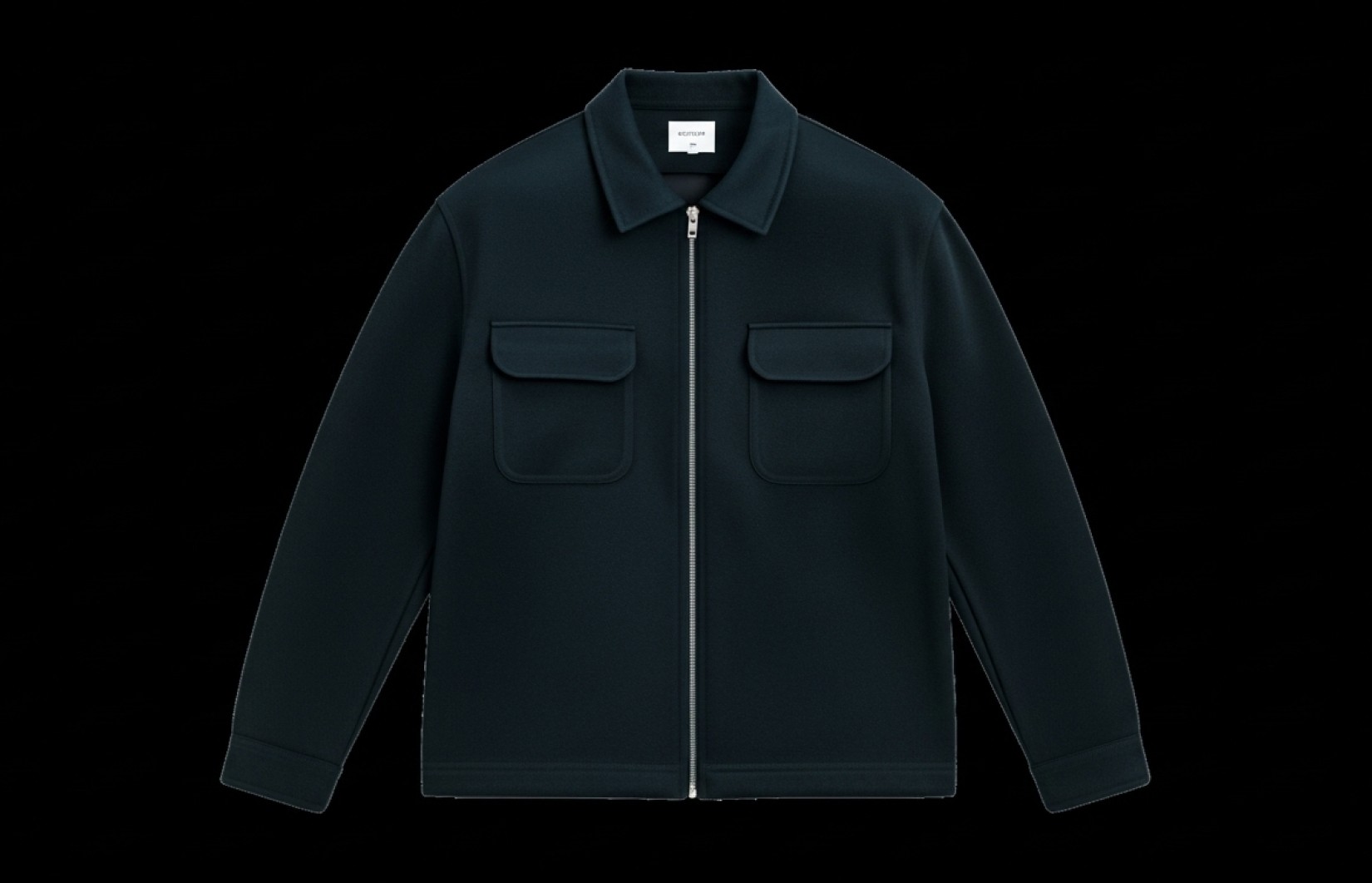
Fashion and apparel present unique photography challenges that have traditionally created significant barriers for independent designers and small retailers. Professional fashion photography typically requires models, complex lighting setups, styling expertise, and extensive post-production - creating both financial and operational bottlenecks that limit growth.
AI-generated fashion photography has fundamentally changed this equation. With the right prompts, Shopify clothing stores can now create studio-quality apparel images that showcase their garments perfectly without models, photographers, or complex production. This capability is transforming how successful fashion retailers approach their visual content strategy, enabling rapid catalog expansion and continuous visual optimization.
The Traditional Fashion Photography Challenge
For the average Shopify apparel store, traditional fashion photography presents significant obstacles:
Professional fashion photographers cost $2,000-5,000 per day
Models add $500-2,000 per day plus agency fees
Styling, makeup, and production coordination add $1,000-3,000
Complex post-production for consistent look and feel
Coordination challenges with multiple stakeholders
Weeks of production time from concept to final images
For a typical Shopify fashion store with 50 products needing 5-8 images each, traditional photography demands a $15,000-30,000 investment and 4-8 weeks of production time, creating a critical barrier to growth.
AI-generated fashion photography offers Shopify apparel stores a revolutionary alternative:
Create unlimited fashion images in minutes
Generate consistent look and feel across entire collections
Produce images without models, studios, or complex coordination
Scale your fashion catalog without proportional cost increases
Launch new products or collections with zero production delay
Test different style presentations before committing to production
Measured Impact on Fashion Shopify Store Performance
Our analysis of apparel stores using AI-generated fashion photography shows dramatic business improvements:
Conversion rates increased by 29-38% compared to basic product photos
Average order value increased by 24% with professional presentation
Return rates decreased by 21% with better fit and detail visualization
New collection launch time decreased from weeks to hours
Seasonal collection updates implemented in days rather than months
Product catalog expansion speed increased by 320%
The key to these results is using AI prompts specifically optimized for fashion visualization that address the unique challenges of apparel presentation.
Essential Fashion Photography Categories for Shopify Success
1. White Background Apparel Standards (5 Prompts)
Clean, professional product shots optimized for primary listings, emphasizing garment details and fit.
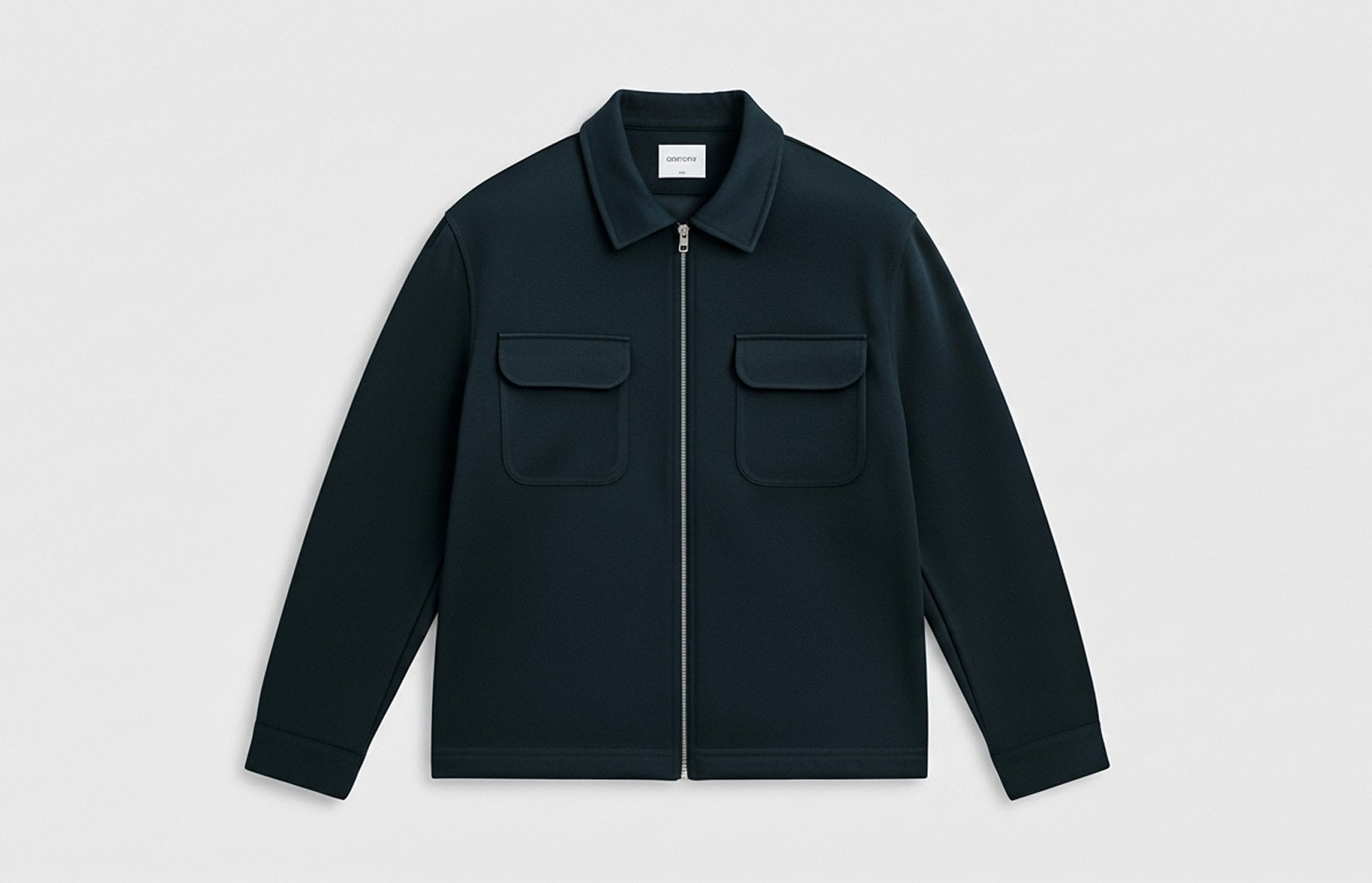
Primary Apparel Listing - Invisible Mannequin
[Reference image], [garment type] in [specific color and fabric], photographed on invisible mannequin technique against pure white background (RGB 255/255/255), professional fashion photography, perfect product centering, commercial studio lighting showing fabric texture and drape, extreme detail of stitching and construction, natural form maintaining realistic shape, marketplace-compliant e-commerce standard, photorealistic, 8K resolution, square format
Front View with Perfect Draping
[Reference image], [garment type] in [specific color and fabric], photographed flat-lay front view against pure white background (RGB 255/255/255), professional fashion photography, perfect symmetrical arrangement, commercial studio lighting showing fabric texture and material quality, extreme detail of stitching and construction, all features clearly visible, marketplace-compliant e-commerce standard, photorealistic, 8K resolution, square format
Rear View Apparel Detail
[Reference image], [garment type] in [specific color and fabric], photographed from rear view on invisible mannequin against pure white background (RGB 255/255/255), professional fashion photography, perfect positioning showing back details, commercial studio lighting highlighting stitching and construction, extreme detail of fabric texture and back features, marketplace-compliant e-commerce standard, photorealistic, 8K resolution, square format
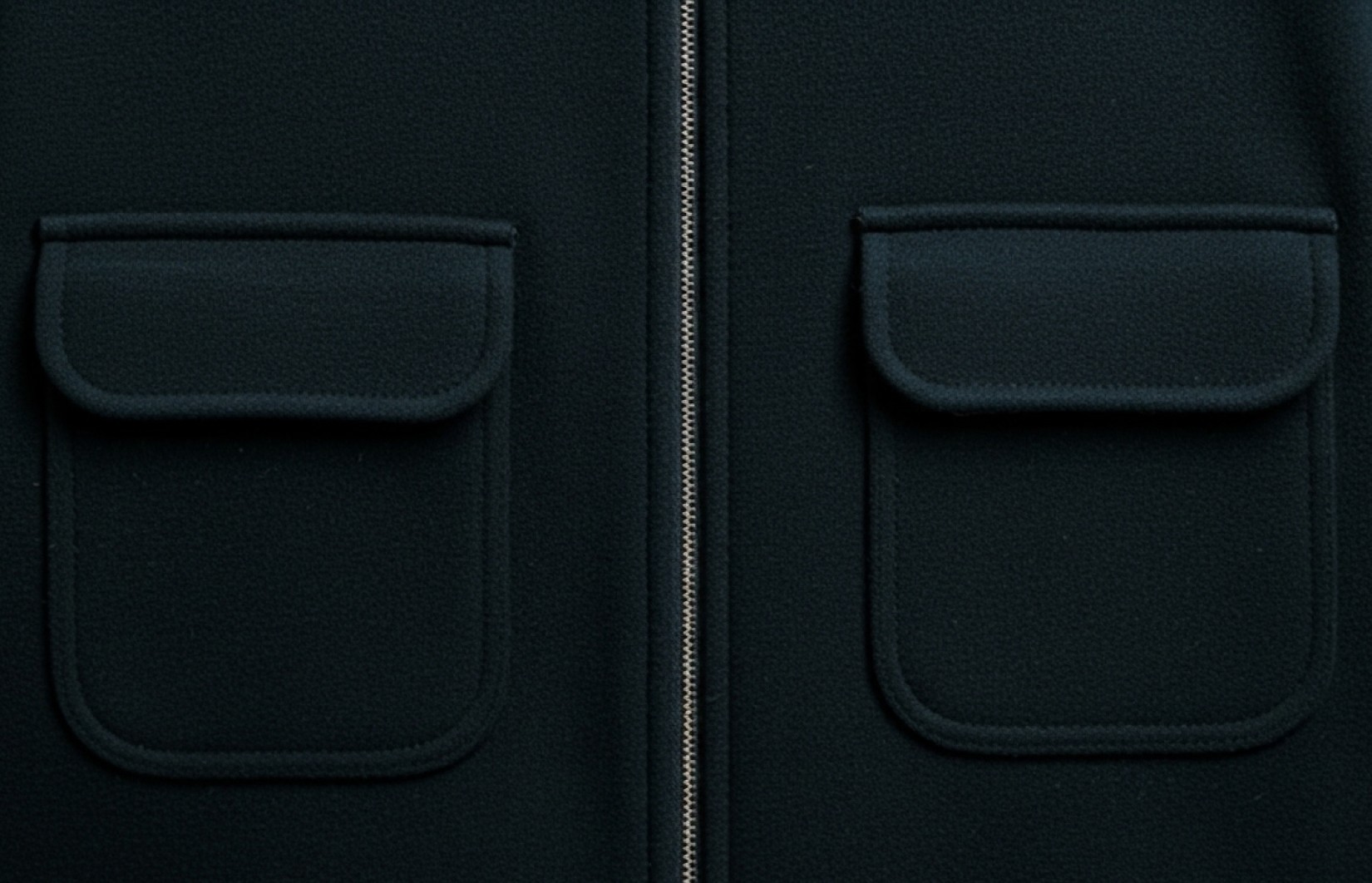
Close-Up Fabric Texture
[Reference image], extreme close-up of [specific fabric] texture of [garment type] against pure white background, professional fashion photography, macro detail showing weave pattern and material quality, precision lighting revealing texture dimensionality, extreme detail of fiber characteristics and quality indicators, commercial apparel detail photography, photorealistic, 8K resolution, square format
Apparel Detail Highlight
[Reference image], close-up detail of [specific feature] of [garment type] against pure white background, professional fashion photography, precision focus on [feature] showing construction quality, commercial studio lighting highlighting craftsmanship, extreme detail of stitching and material, educational detail view emphasizing quality, photorealistic, 8K resolution, square format
2. Lifestyle Fashion Contexts (5 Prompts)
Contextual imagery showing clothing in authentic settings, creating emotional connection and style inspiration.
Urban Street Style Context
[Reference image], [garment type] in [specific color and fabric], styled with [complementary items] in urban street setting, professional fashion photography, natural daylight with slight overcast diffusion, shallow depth of field focusing on garment while showing city context, authentic street style composition, model positioned to highlight garment fit and drape, photorealistic, high fashion editorial quality, 8K resolution
Casual Social Environment
[Reference image], [garment type] in [specific color and fabric], styled with [complementary items] in casual café/social environment, professional fashion photography, warm interior lighting creating inviting atmosphere, lifestyle composition showing garment in relaxed social context, natural styling emphasizing versatility, photorealistic, aspirational yet accessible mood, 8K resolution
Professional Workplace Setting
[Reference image], [garment type] in [specific color and fabric], styled professionally in contemporary office environment, fashion photography, clean corporate lighting, composition showing appropriate workplace context, professional styling emphasizing appropriateness for work environment, sophisticated color palette, photorealistic, professional apparel presentation, 8K resolution
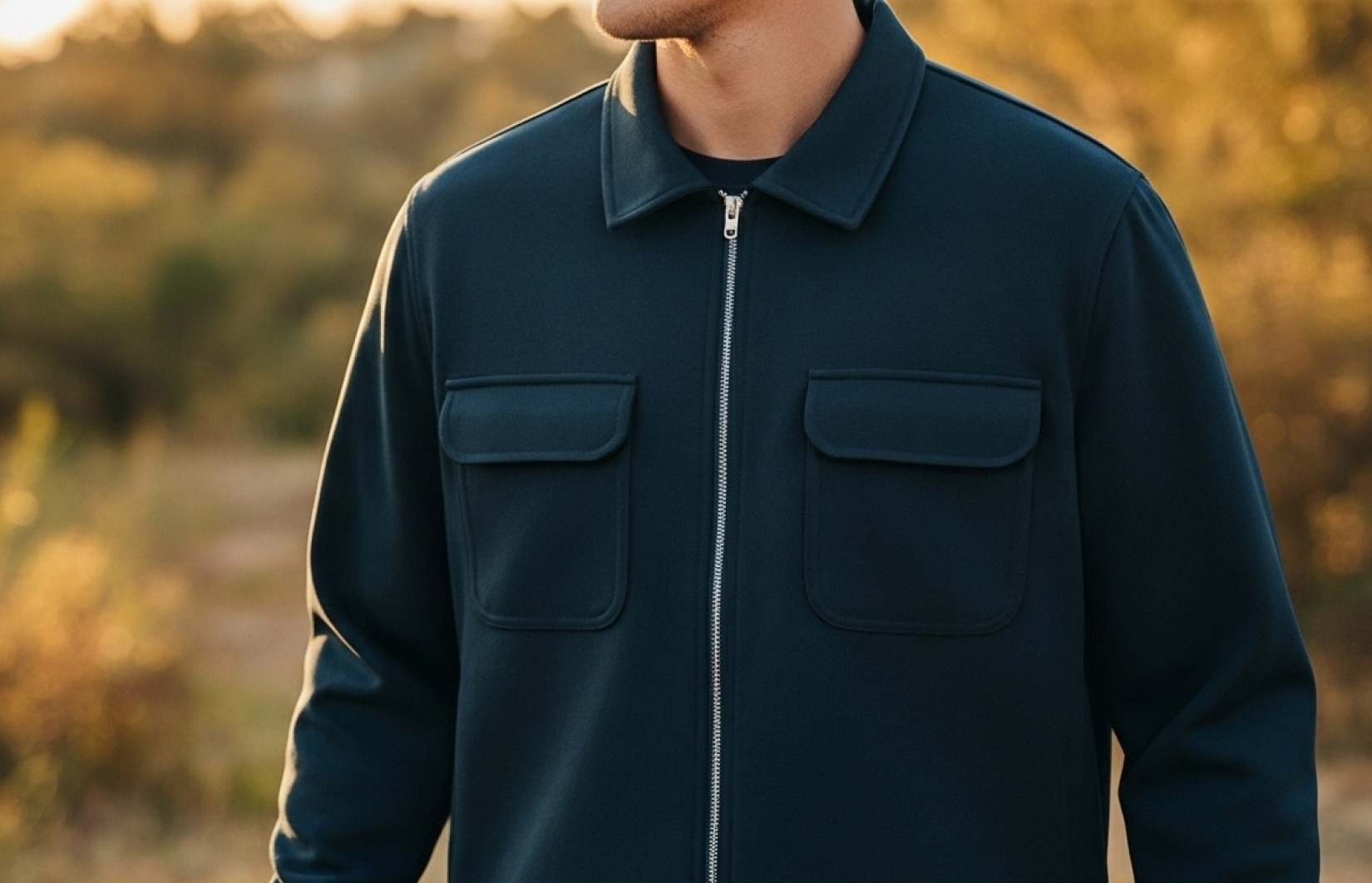
Outdoor Adventure Context
[Reference image], [garment type] in [specific color and fabric], styled appropriately for outdoor activity in natural setting, professional fashion photography, golden hour natural lighting, authentic environment showing practical application, composition emphasizing functionality and performance aspects, realistic styling for actual use case, photorealistic, active lifestyle presentation, 8K resolution
Evening/Formal Environment
[Reference image], [garment type] in [specific color and fabric], styled for evening/formal occasion in elegant setting, professional fashion photography, sophisticated lighting with dramatic highlights, luxury environment context, styling emphasizing special occasion appropriateness, elevated accessorizing complementing garment, photorealistic, aspirational formal presentation, 8K resolution
3. Styling & Outfit Composition (5 Prompts)
Complete outfit presentations showing styling possibilities and wardrobe integration.
Complete Outfit Styling
[Reference image], complete styled outfit featuring [garment type] as focal piece, complemented by [list coordinating items], professional fashion photography against neutral backdrop, full-body composition showing entire ensemble, commercial styling demonstrating versatility, perfect balance highlighting main garment while showing coordination, photorealistic, editorial fashion quality, 8K resolution
Capsule Collection Presentation
[Reference image], capsule collection featuring [garment type] styled with [3-5 coordinating pieces], professional fashion photography, clean composition showing mix-and-match potential, studio lighting highlighting complementary color palette, expert styling demonstrating multiple combination possibilities, photorealistic, fashion editorial quality, 8K resolution
Accessory Pairing Focus
[Reference image], [garment type] styled with focus on [specific accessories], professional fashion photography, composition emphasizing relationship between garment and accessories, precision lighting highlighting complementary elements, styling demonstrating enhancement through accessorization, photorealistic, editorial fashion quality, 8K resolution
Seasonal Layering Presentation
[Reference image], [garment type] presented in layered styling appropriate for [specific season], professional fashion photography, composition demonstrating layering techniques, styling showing practical seasonal adaptation, multiple garments working together cohesively, photorealistic, seasonal fashion editorial quality, 8K resolution
Day-to-Night Transformation
[Reference image], side-by-side styling of [garment type] for daytime and evening contexts, professional fashion photography, comparative presentation showing versatility, contrasting styling demonstrating adaptability from casual to formal, accessory transitions between scenarios, photorealistic, fashion editorial quality demonstrating value and versatility, 8K resolution
4. Apparel Category-Specific Approaches (10 Prompts)
Specialized approaches for different clothing categories addressing unique visualization needs.
Tops & Blouses Presentation
[Reference image], [specific top/blouse style] in [color and fabric], photographed on invisible mannequin against pure white background, professional fashion photography, perfect draping showing natural fit, commercial studio lighting highlighting fabric quality and detail, extreme detail of neckline, sleeve construction, and hem finishing, photorealistic, marketplace-compliant e-commerce standard, 8K resolution, square format
Dress Full Presentation
[Reference image], [specific dress style] in [color and fabric], photographed on invisible mannequin against pure white background, professional fashion photography, full-length view showing entire garment, perfect draping demonstrating silhouette and fit, commercial studio lighting highlighting fabric movement and detail, extreme detail of construction elements and design features, photorealistic, marketplace-compliant e-commerce standard, 8K resolution, portrait format
Pants & Bottoms Showcase
[Reference image], [specific pants/skirt style] in [color and fabric], photographed on invisible mannequin against pure white background, professional fashion photography, full-length view emphasizing fit and cut, commercial studio lighting highlighting fabric drape and texture, extreme detail of waistband construction, pocket styling, and hem finishing, photorealistic, marketplace-compliant e-commerce standard, 8K resolution, portrait format
Outerwear Detailed Presentation
[Reference image], [specific jacket/coat style] in [color and fabric], photographed on invisible mannequin against pure white background, professional fashion photography, slightly angled view showing structure and cut, commercial studio lighting highlighting fabric texture and weight, extreme detail of closure systems, lining glimpse, and sleeve construction, photorealistic, marketplace-compliant e-commerce standard, 8K resolution, square format
Knitwear Texture Emphasis
[Reference image], [specific sweater/knit style] in [color and yarn type], photographed on invisible mannequin against pure white background, professional fashion photography, perfect positioning to show knit pattern and texture, commercial studio lighting emphasizing dimensional aspects of knit, extreme detail of stitching pattern and yarn quality, photorealistic, marketplace-compliant e-commerce standard, 8K resolution, square format
Activewear Performance Showcase
[Reference image], [specific activewear piece] in [color and technical fabric], photographed on invisible mannequin against pure white background, professional sport apparel photography, positioning showing performance features, commercial studio lighting highlighting technical fabric properties, extreme detail of seam construction, stretch panels, and functional elements, photorealistic, marketplace-compliant e-commerce standard, 8K resolution, square format
Swimwear Complete View
[Reference image], [specific swimwear style] in [color and fabric], photographed on invisible mannequin against pure white background, professional swimwear photography, perfect positioning showing cut and coverage, commercial studio lighting highlighting fabric quality and construction, extreme detail of strap systems, lining, and support features, photorealistic, marketplace-compliant e-commerce standard, 8K resolution, square format
Formal/Eveningwear Elegance
[Reference image], [specific formal garment] in [color and luxury fabric], photographed on invisible mannequin against pure white background, professional luxury fashion photography, positioning emphasizing elegant silhouette and drape, dramatic studio lighting highlighting luxurious fabric quality and embellishments, extreme detail of couture construction techniques and fine details, photorealistic, marketplace-compliant e-commerce standard, 8K resolution, portrait format
Lingerie Technical Presentation
[Reference image], [specific lingerie piece] in [color and fabric], photographed on invisible mannequin against pure white background, professional lingerie photography, technical presentation showing construction and support features, commercial studio lighting highlighting delicate details and material quality, extreme detail of strap systems, closures, and fine elements, photorealistic, marketplace-compliant e-commerce standard, 8K resolution, square format
Accessories Complementary Display
[Reference image], [specific fashion accessory] in [color and material], photographed against pure white background, professional accessory photography, perfect positioning showing form and function, commercial studio lighting highlighting material quality and craftsmanship, extreme detail of hardware, stitching, and unique features, photorealistic, marketplace-compliant e-commerce standard, 8K resolution, square format
5. Size, Fit & Scale Visualization (5 Prompts)
Specialized approaches for addressing the critical challenge of communicating garment fit and proportions.
Size Comparison Reference
[Reference image], [garment type] shown with standardized size reference object for scale, professional fashion photography against pure white background, clear dimensional relationship, perfect positioning demonstrating actual size, commercial studio lighting maintaining focus on garment while establishing scale context, photorealistic, educational product presentation, 8K resolution, square format
Fit Comparison Array
[Reference image], side-by-side comparison of [garment type] in multiple fit options (slim/regular/relaxed), professional fashion photography against pure white background, identical positioning showing fit differences, consistent lighting across all variations, educational presentation highlighting fit distinctions, photorealistic, comparative analysis, 8K resolution, landscape format
Layering Capacity Demonstration
[Reference image], [garment type] shown both alone and layered with complementary pieces, professional fashion photography, comparative presentation demonstrating layering capacity, consistent lighting and positioning between examples, styling showing practical layer combination, photorealistic, educational fashion presentation, 8K resolution, landscape format
Proportion Visualization with References
[Reference image], [garment type] shown with common reference items for proportion understanding, professional fashion photography against neutral background, composition establishing clear size relationships, commercial studio lighting maintaining focus on garment while showing scale, photorealistic, educational product presentation addressing size concerns, 8K resolution, square format
On-Body Measurement Visualization
[Reference image], [garment type] shown with key measurement points highlighted, professional technical fashion photography, invisible mannequin technique with measurement overlay, clear visual indicators of sleeve length, chest width, garment length and other critical dimensions, photorealistic, educational technical presentation, 8K resolution, portrait format
Fabric-Specific Optimization Techniques
The key to realistic apparel visualization lies in accurate fabric rendering. These specialized prompts address common fabric types:
Cotton & Natural Fibers
Technical & Performance Fabrics
Luxury & Delicate Fabrics
Textured & Heavy Fabrics
Synthetic & Modern Materials
The Complete AI Fashion Photography Workflow
This systematic workflow takes you from concept to complete fashion product catalog:
Phase 1: Preparation & Strategy
Collection Assessment
Categorize garments by type and priority
Identify key features that drive purchase decisions
Determine required image types for each piece
Reference Gathering
Collect existing product photos or sketches
Compile detailed fabric and construction specifications
Gather inspiration from comparable fashion presentations
Visual Identity Planning
Define consistent visual language for your fashion brand
Establish standards for lighting, composition, and styling
Create mood boards for lifestyle contextual imagery
Phase 2: Systematic Creation
Primary Image Development
Generate white background hero images first
Create multiple angles showing garment completely
Produce detail close-ups of key features
Lifestyle Context Creation
Develop environmental imagery showing pieces in use
Create styling presentations with complementary items
Generate seasonal and occasional context images
Technical Information Visualization
Create size and fit visualization resources
Develop fabric detail and construction highlights
Produce care and maintenance visual guides
Phase 3: Optimization & Implementation
Selection & Refinement
Choose optimal images from generated options
Verify accuracy of fabric and fit representation
Ensure consistent presentation across collection
Shopify Implementation
Upload images in strategic sequence
Implement consistent aspect ratios and cropping
Optimize alt text for fashion-specific SEO
Performance Analysis
Monitor category-specific conversion metrics
A/B test different presentation approaches
Refine approach based on customer feedback
For Lucy+ members, each of these steps is broken down with detailed instructions, screenshots, and examples from successful implementations.
Fashion-Specific Implementation Strategies for Shopify
Optimal Image Sequencing for Apparel
Fashion products benefit from specific image sequence:
Primary Front View - Creates clear first impression
45° Angle View - Shows shape and structure
Back View - Reveals complete garment design
Fabric Close-Up - Highlights material quality
Detail Features - Shows construction excellence
Lifestyle Context - Creates style inspiration
Outfit Styling - Demonstrates versatility
Size/Fit Information - Addresses purchase hesitation
Theme-Specific Fashion Optimization
Different Shopify themes display apparel differently:
For Grid-Focused Themes (Brooklyn, Minimal):
Maintain strict 1:1 aspect ratio for thumbnails
Ensure garments fill 80-90% of frame
Use consistent model-less presentation
Implement identical lighting across collection
For Lookbook Themes (Vogue, Editorial):
Create thematic connection between lifestyle images
Develop narrative flow in image sequence
Maintain consistent styling across collection
Consider seasonal color stories
For Zoom-Focused Themes (Impulse, Prestige):
Prioritize ultra-high detail for fabric textures
Ensure construction details are visible when zoomed
Implement consistent zooming hotspots
Highlight quality indicators visible on zoom
Fashion-Specific Mobile Optimization
With over 70% of fashion browsing on mobile:
Ensure key garment details are visible at thumbnail size
Create vertical composition for key lifestyle images
Test all fit visualization resources on mobile
Optimize swatch and variant visibility for small screens
A/B Testing for Fashion Conversion
Continuously improve fashion-specific conversion:
Presentation Style Testing
Invisible mannequin vs. flat-lay
White background vs. subtle environment
Styled vs. isolated presentation
Detail Emphasis Testing
Feature-focused vs. whole-garment emphasis
Construction details vs. style presentation
Technical vs. aesthetic emphasis
Lifestyle Context Testing
Aspirational vs. practical scenarios
Occasion-specific vs. versatile presentation
Seasonal vs. year-round contexts
The most successful fashion Shopify stores view their visual strategy as an ongoing optimization process rather than a one-time project.
Case Studies: Real-World Fashion Implementation
Case Study 1: Independent Designer Launch
Scenario: New designer with 25-piece collection and limited budget
Approach: Used AI to create complete professional catalog
Process:
Developed detailed specifications for each garment
Created consistent white background presentation across collection
Generated lifestyle imagery aligned with brand aesthetic
Implemented sizing and styling resources
Results:38% higher conversion than category average
Featured in fashion publications based on visual presentation
94% cost reduction compared to traditional photography
Complete visual package created in 3 days vs. 3 weeks
Case Study 2: Seasonal Collection Update
Scenario: Established brand needing to quickly launch seasonal collection
Approach: Used AI to create consistent new season imagery
Process:
Maintained consistent visual language from previous collections
Created seasonal context showing new pieces in appropriate settings
Developed transitional styling guides with existing pieces
Generated complete package before physical samples were available
Results:Launched 4 weeks earlier than previous seasons
27% increase in pre-order conversion
42% reduction in photography costs
Consistent presentation despite expanded collection size
Case Study 3: Fashion Marketplace Standardization
Scenario: Multi-vendor marketplace with inconsistent visual presentation
Approach: Implemented AI standardization across all listings
Process:
Created standardized templates for different garment categories
Developed consistent presentation requirements for all vendors
Generated replacement imagery for substandard listings
Implemented uniform size and fit visualization
Results:32% increase in cross-vendor browsing
29% reduction in return rates
45% improvement in vendor onboarding speed
Consistent premium presentation regardless of vendor resources
Addressing Common Challenges in AI Fashion Photography
Challenge 1: Accurate Fabric Representation
Realistic fabric rendering is critical for fashion conversion.
Solution:
Use highly specific fabric terminology ("16oz selvedge denim" vs just "denim")
Include detailed descriptions of texture, weight, and drape
Reference specific fabric brands when applicable
Generate multiple variations with different lighting to capture texture
Focus on characteristic behavior of the specific material
Challenge 2: Proper Fit Visualization
Communicating fit is the biggest challenge in online fashion.
Solution:
Create comparative imagery showing different fit options
Include specific measurements with visual references
Generate styling variations showing fit in different contexts
Use technical overlays to highlight dimensional aspects
Provide multiple angles showing how garment sits on body form
Challenge 3: Consistent Presentation Across Collections
Maintaining visual consistency across diverse garments is challenging.
Solution:
Create master templates for each garment category
Use identical lighting specifications across all generations
Maintain consistent camera angles and distances
Implement standardized post-processing approaches
Conduct regular visual audits to prevent presentation drift
Challenge 4: Accurate Color Representation
Color accuracy is critical for fashion purchasing decisions.
Solution:
Use precise color terminology with standard references (Pantone, etc.)
Generate in consistent lighting to maintain color accuracy
Include color swatch references when appropriate
Create comparative imagery showing color variations
Test display across multiple devices for accuracy
Challenge 5: Unique Garment Features
Special design elements require careful visualization.
Solution:
Create specific detail shots highlighting unique features
Generate close-ups of distinctive construction elements
Develop educational visuals explaining special functionality
Create before/after imagery showing transformable features
Implement sequence visualizations for interactive elements
Read Also
50 Best AI Prompts for Shopify Product Photography That Increase Conversion Rates by 32%
How to Create Professional Product Photos with AI for Shopify: Complete 2025 Guide
Create Perfect White Background Images for Shopify: 20 AI Prompts That Meet All Requirements
Generate Shopify-Ready Lifestyle Product Images: 15 AI Prompts That Boost Conversions
Using ChatGPT to Create Perfect Shopify Product Photo Prompts: Beginner's Guide
FAQ
How do I ensure accurate fabric representation in AI-generated fashion images?
Fabric accuracy requires precision in your prompts: 1) Use highly specific fabric terminology including weight, weave, and finish (e.g., "12oz raw selvedge denim with characteristic indigo depth" rather than just "jeans material"), 2) Describe physical properties like drape, structure, and light interaction, 3) Reference common fabric brands or standards when applicable (e.g., "Loro Piana cashmere quality"), 4) Include descriptions of how the fabric behaves (e.g., "crisp cotton with structured body maintaining clean lines"), and 5) Generate multiple lighting variations to capture texture accurately. The key is providing the AI with enough specific textile information to recreate authentic material qualities. Lucy+ members receive our comprehensive fabric visualization guide with terminology for 50+ common apparel materials.
Should I use invisible mannequin or flat-lay style for my Shopify fashion store?
Both approaches have distinct advantages, and the optimal choice depends on your specific garments: Invisible mannequin presentation excels at showing three-dimensional structure, drape, and fit, making it ideal for structured garments (blazers, dresses, outerwear). Flat-lay presentation creates a clean, consistent aesthetic and works exceptionally well for unstructured items (t-shirts, scarves, simple tops). For best results, we recommend: 1) Use invisible mannequin for your primary images of structured garments, 2) Use flat-lay for unstructured items and accessories, 3) Maintain consistency within each product category, and 4) A/B test both approaches for your specific audience. Lucy+ members receive our complete presentation guide with recommendations by garment type.
How many AI-generated images should I create for each fashion product?
For optimal fashion conversion rates, we recommend 7-9 images per garment: 1-2 white background hero shots, 2-3 alternative angles showing all perspectives, 1-2 detail close-ups highlighting quality indicators, 1-2 lifestyle contextual images showing the piece in use, and 1-2 styling examples with complementary items. This comprehensive approach addresses the key questions fashion shoppers ask: How does it look? How is it made? How does it fit? How do I wear it? More complex garments with unique features or technical elements may benefit from additional detailed visuals. Lucy+ members receive our image quantity guide with specific recommendations by garment category.
How do I handle size and fit visualization for apparel without using models?
Size and fit communication requires strategic approaches: 1) Create standardized measurement visualizations with key dimensions clearly marked, 2) Show garments on invisible mannequins with industry-standard sizing, 3) Develop comparative imagery showing the same piece in different fit options (slim/regular/relaxed), 4) Include common objects for scale reference when appropriate, and 5) Create educational graphics explaining fit characteristics and body type suitability. The most successful Shopify fashion stores typically combine 3-4 of these approaches to create comprehensive fit understanding without requiring human models. Lucy+ members receive our complete fit visualization framework with templates for different garment categories.
How do I maintain visual consistency across seasonal fashion collections?
Consistency across collections requires systematic approach: 1) Create standardized templates for each garment category with consistent positioning, lighting, and composition, 2) Develop a master prompt library with your brand's specific visual language defined, 3) Generate seasonal collections in complete batches rather than individually, 4) Implement identical post-processing approaches across all imagery, and 5) Conduct regular visual audits to ensure presentation remains consistent as your catalog grows. The most successful fashion retailers maintain strict visual governance while allowing seasonal creative evolution. Lucy+ members receive our complete consistency framework with template systems for fashion collections.
Ready to Transform Your Fashion Shopify Store with Professional AI Photography?
Upgrade to Lucy+ to unlock our complete fashion implementation system including:
Our step-by-step workflow from concept to finished fashion images
50+ apparel-specific prompt templates for different garment categories
Detailed fabric visualization guides for perfect material representation
Complete case studies with before/after fashion photography comparisons
Advanced techniques for handling complex garments and special features
Conclusion
AI-generated fashion photography has revolutionized what's possible for Shopify clothing retailers. Using the specialized apparel prompts in this guide, you can create professional-quality fashion imagery that showcases your garments perfectly without the traditional barriers of models, photographers, and complex production.
The key to success lies not in the AI tools themselves but in how strategically you implement them for fashion-specific challenges. By focusing on accurate fabric representation, proper fit visualization, and compelling style presentation, you can transform your Shopify fashion store's visual appeal and dramatically improve business results.
Remember that fashion visual presentation is an ongoing optimization process rather than a one-time project. The most successful apparel retailers continuously refine their approach, test new visualization techniques, and adapt to evolving fashion presentation standards - creating an ever-widening competitive advantage in the crowded online clothing market.